July 2026
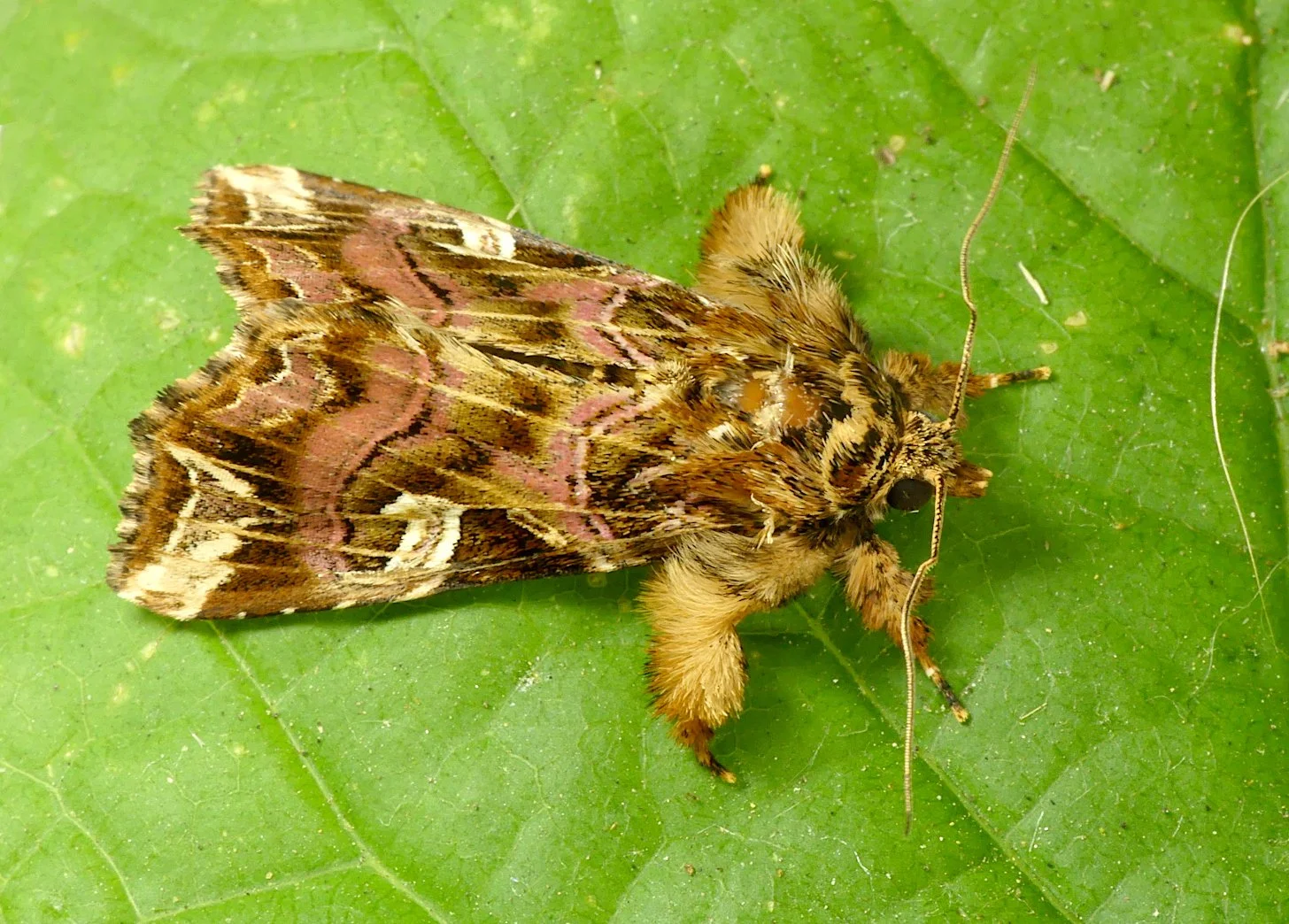
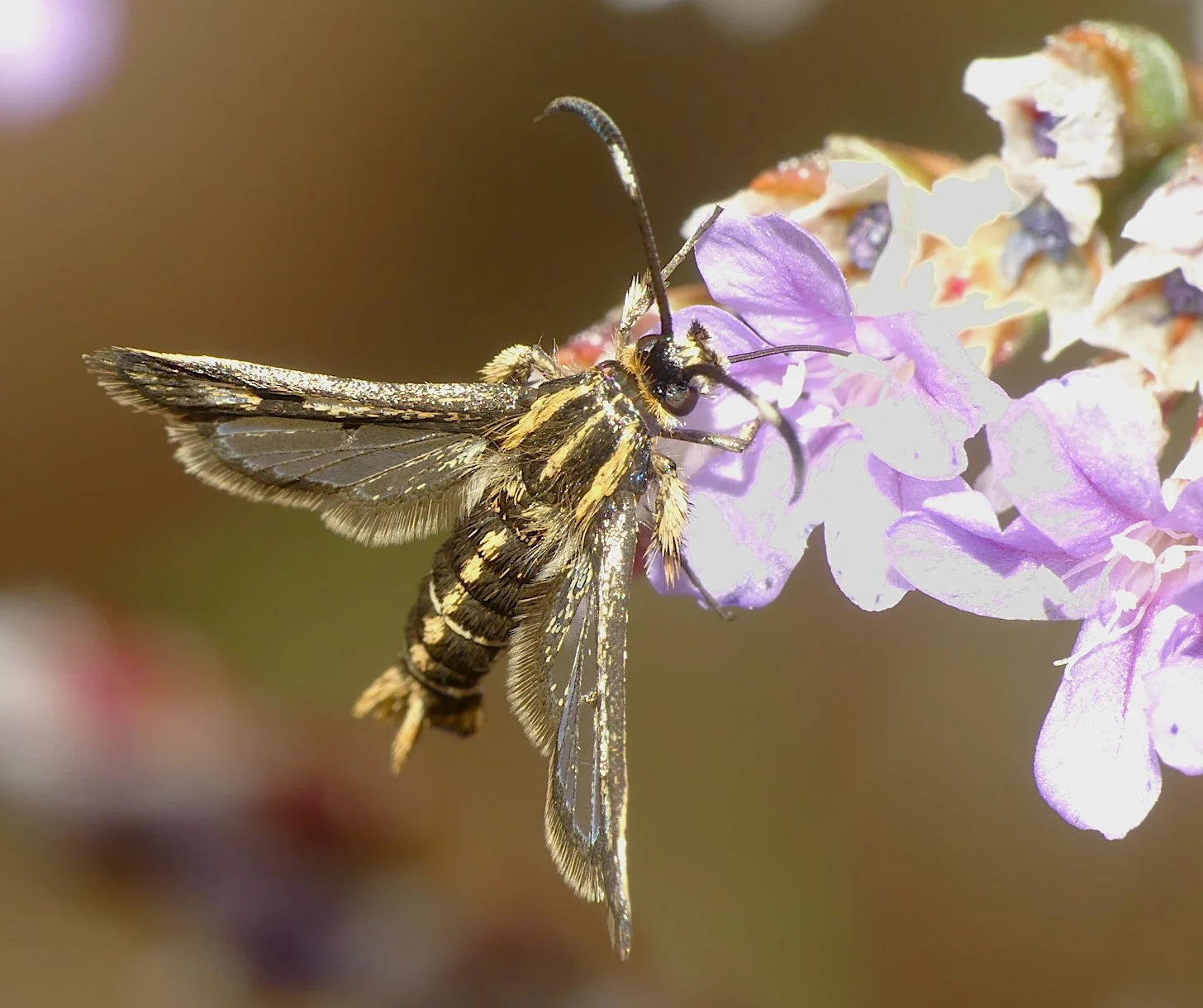
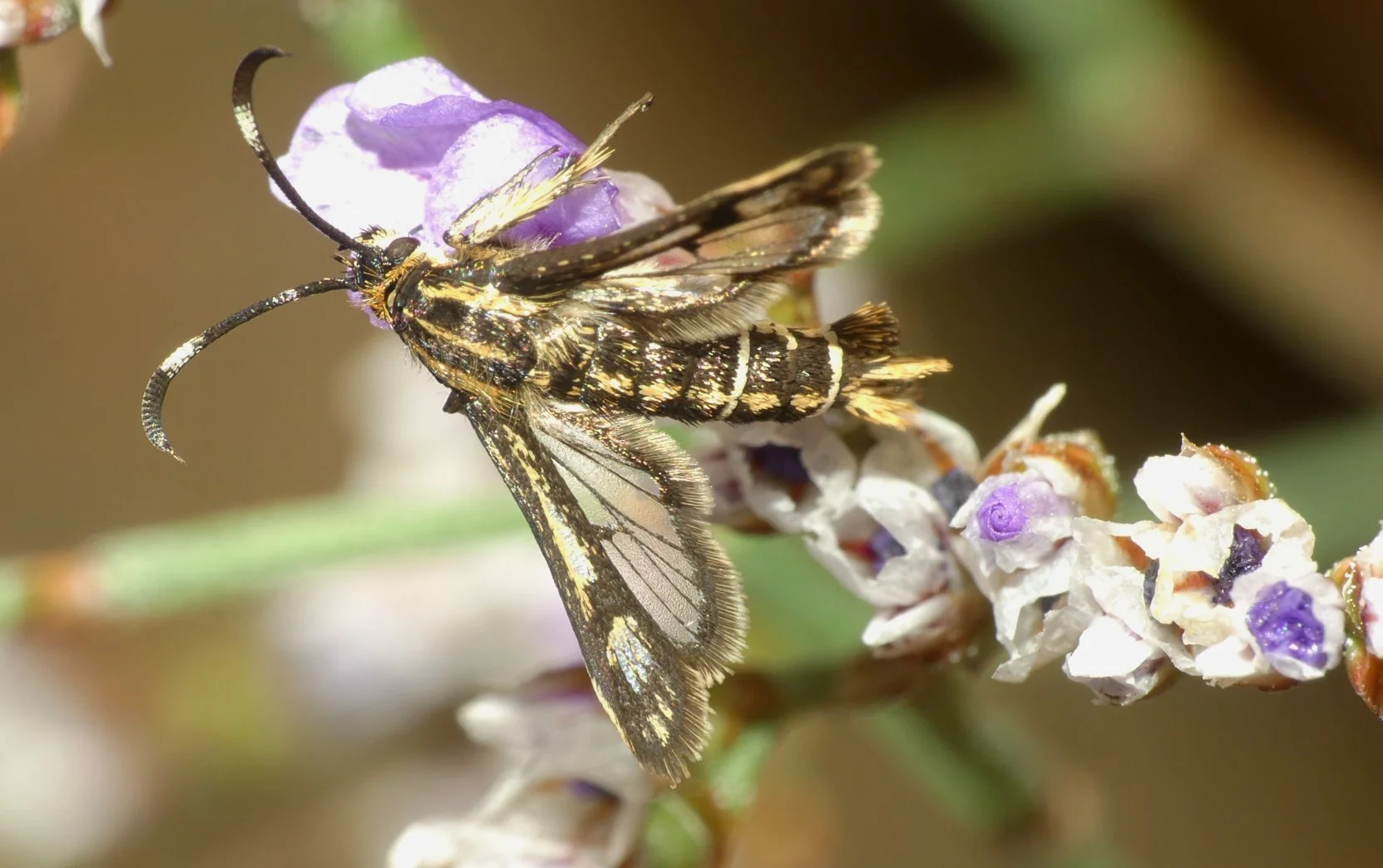
/July was all about the moths, and I had four new lifers during the month and a couple more new for the garden. A great find was a Fiery Clearwing just near the house, in the St. Sampsons School orchard, feeding on ragwort flowers. It was only a couple of years ago that this species was restricted to Bordeaux, it toe-hold in the island. But, I suppose with the last couple of warm summers, it seems to be spreading suddenly. I had a look round at some of the nearby dead sorrel stems, and found tiny black eggs dotted along the stems, so I suspect there will be more here next year.
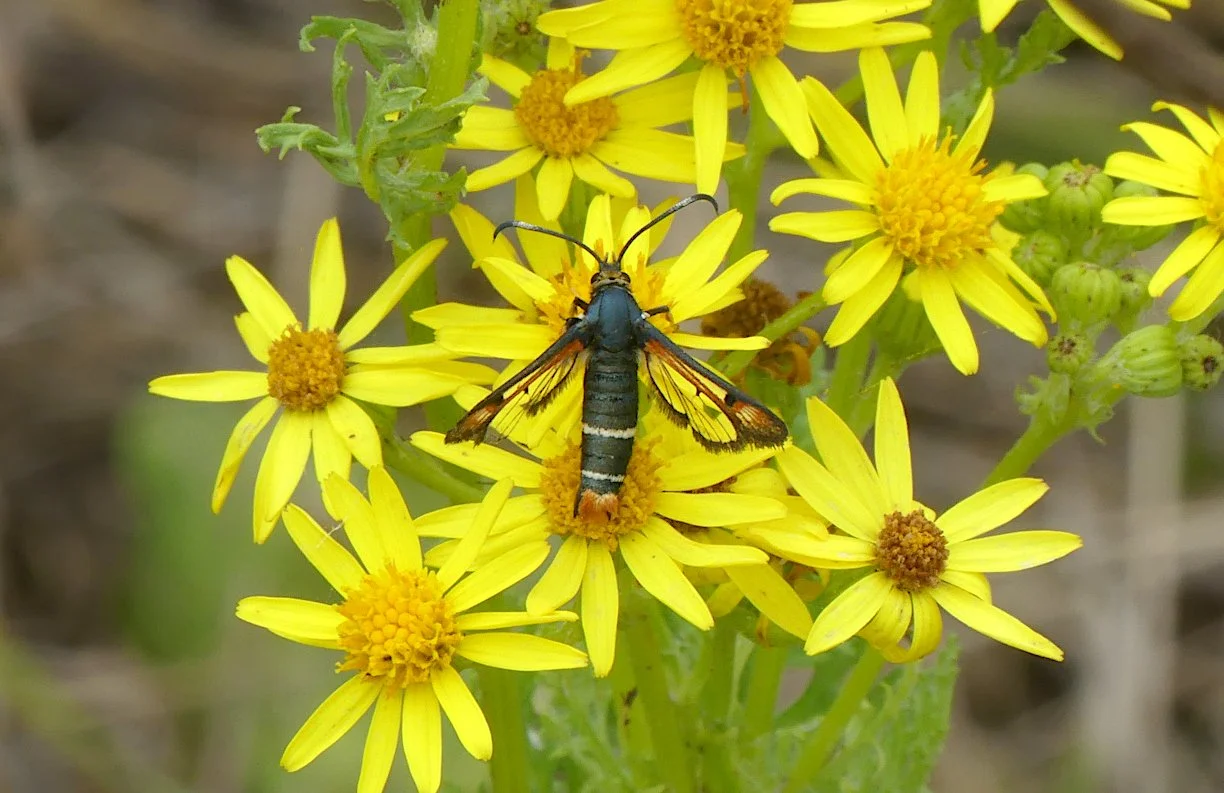
Fiery Clearwing - St Sampsons HS area, 4 Jul 26
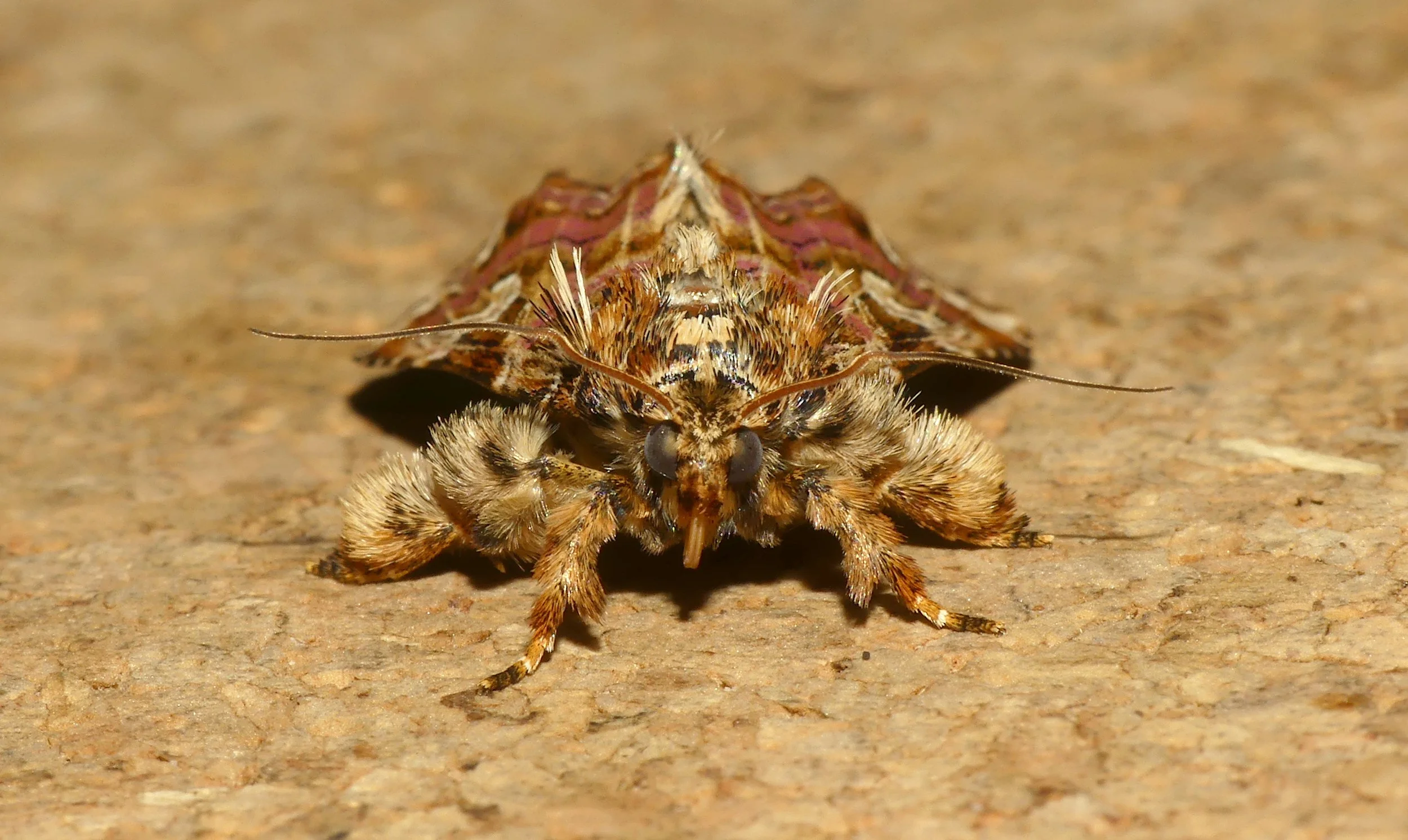
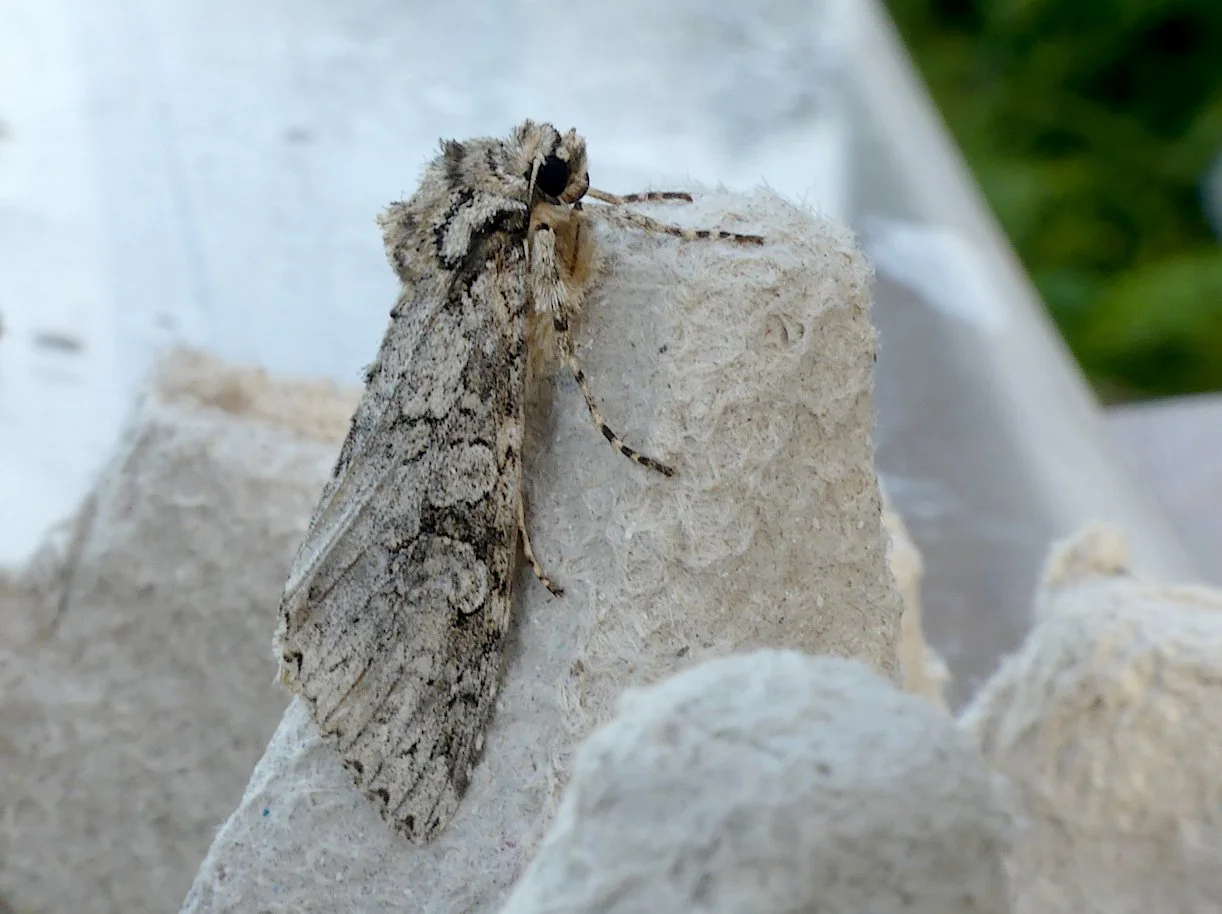
Moth-trapping in the garden had some excellent species but did not have the huge numbers as in June. The start of the month was best, as the warm temperatures continued. After last month, seeing my first Latin on the cliffs, I had a second on 6th July, a new garden species. That night was the busiest of the month with 29 Small Mottled Willows, a Silky Wainscot (first for many years), a Splendid Brocade, and a late Pine Beauty.
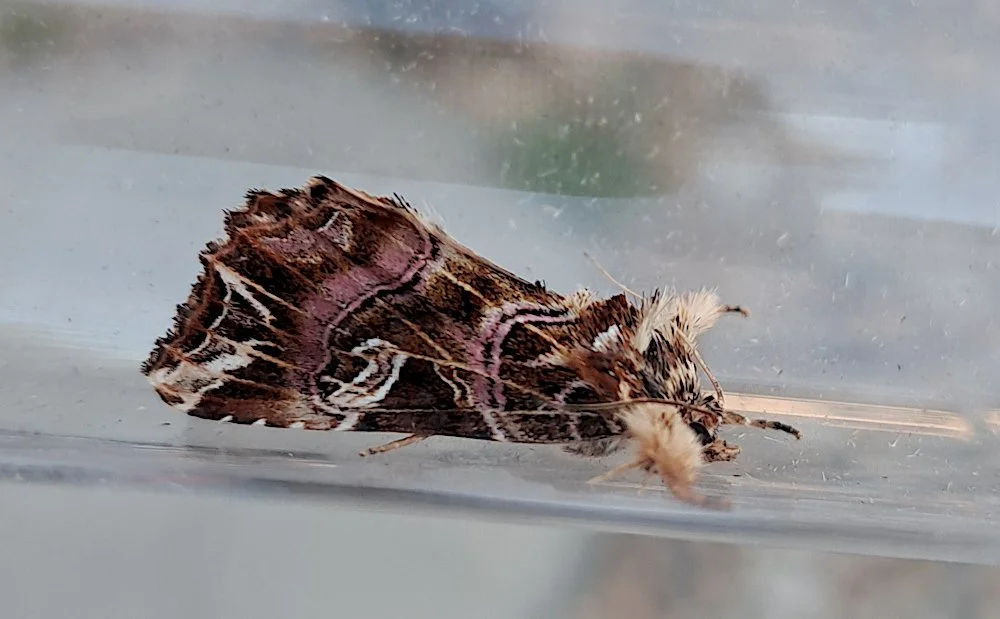
Latin - garden, 6 Jul 26
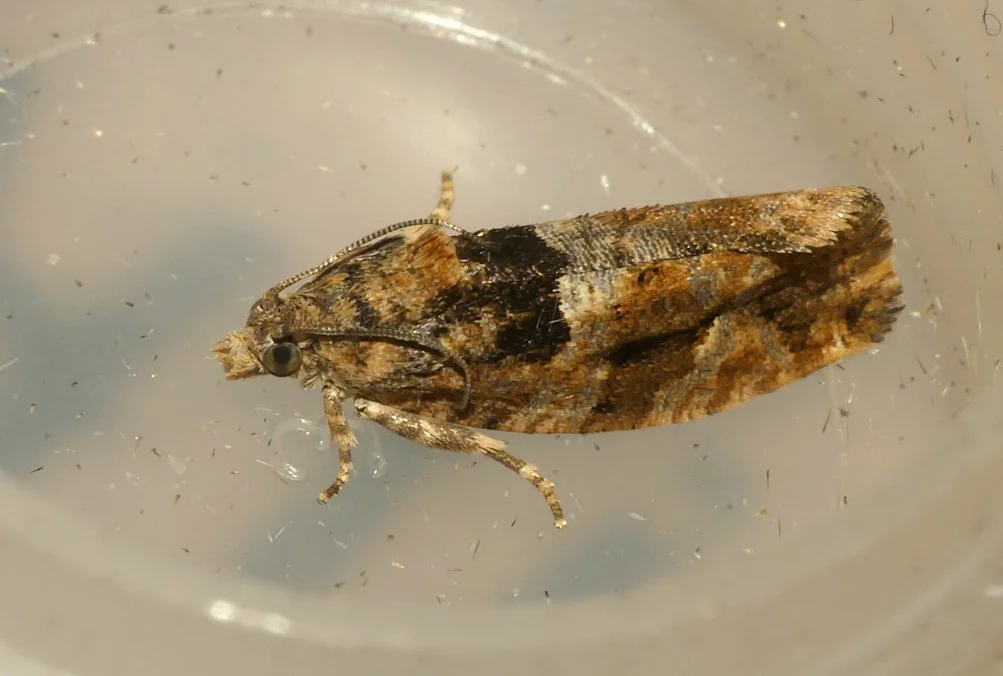
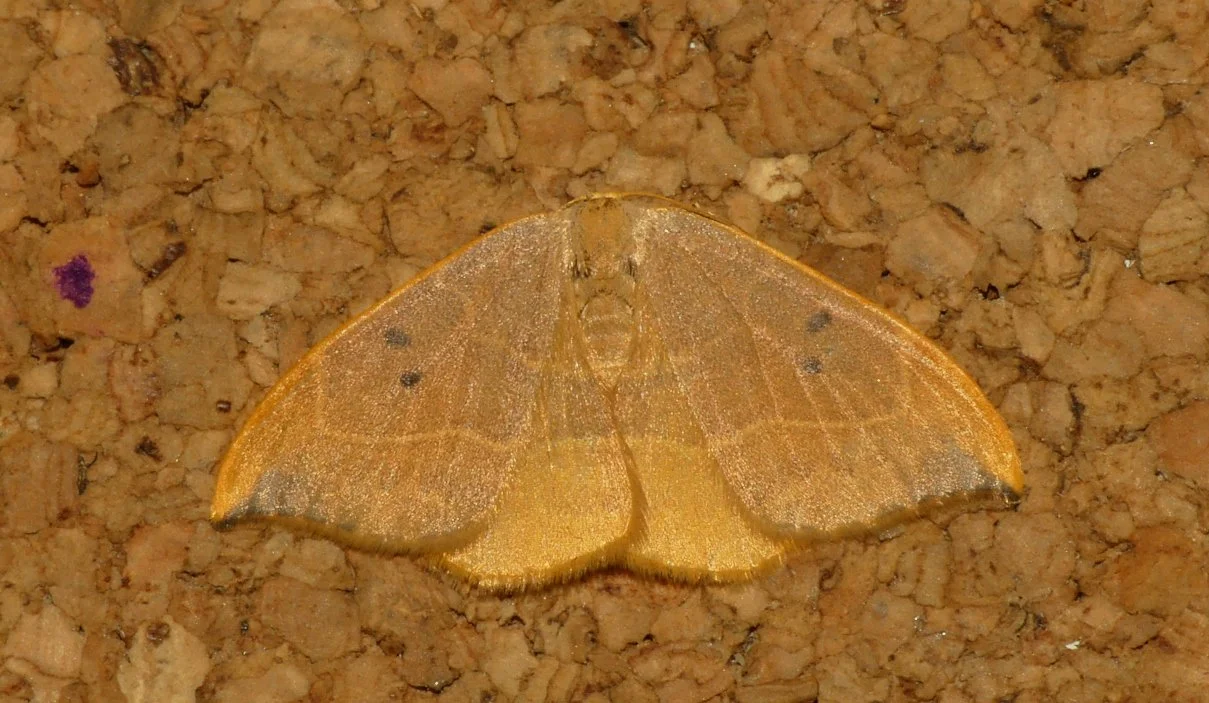
The only surprising species on 8th July were two Little Emeralds in the trap. Not a super rare species in Guernsey but something I had never seen before. A third Little Emerald flew into the kitchen on 19th also. Another surprising new macro moth for me was the impressive Mocha which was on the outside of the trap on 23rd July, a rare species in Guernsey with not many records. Oak Processionary is a species which is on the up, and I had 1 on 23rd, 3 on 28th and 2 on 30th. The other new species for the garden was Phalonidia manniana on 21st.
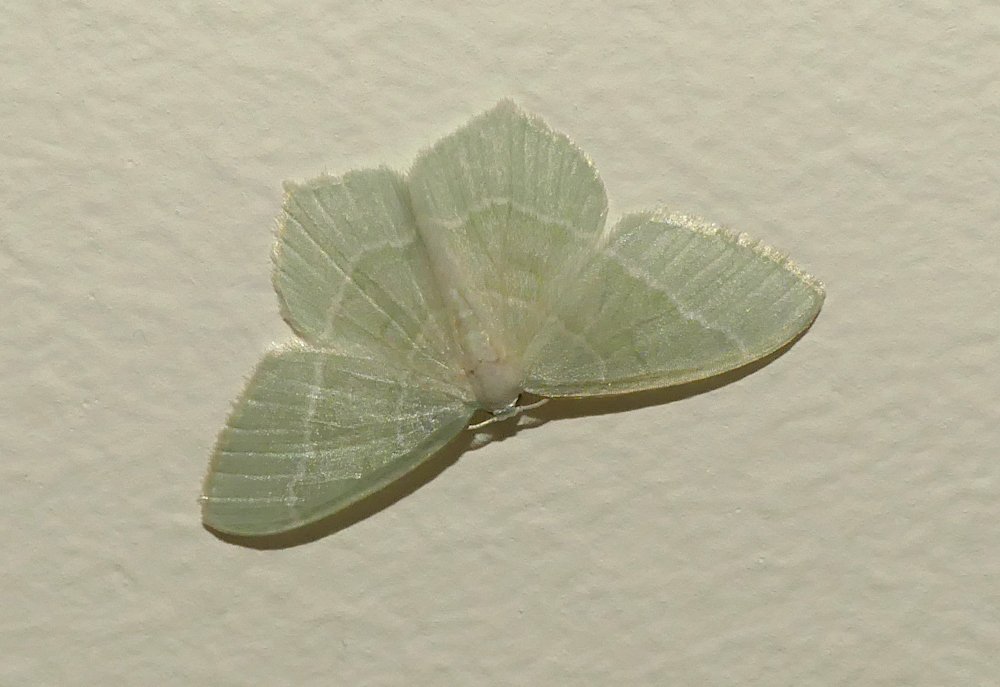
Little Emerald - garden, 19 Jul 26
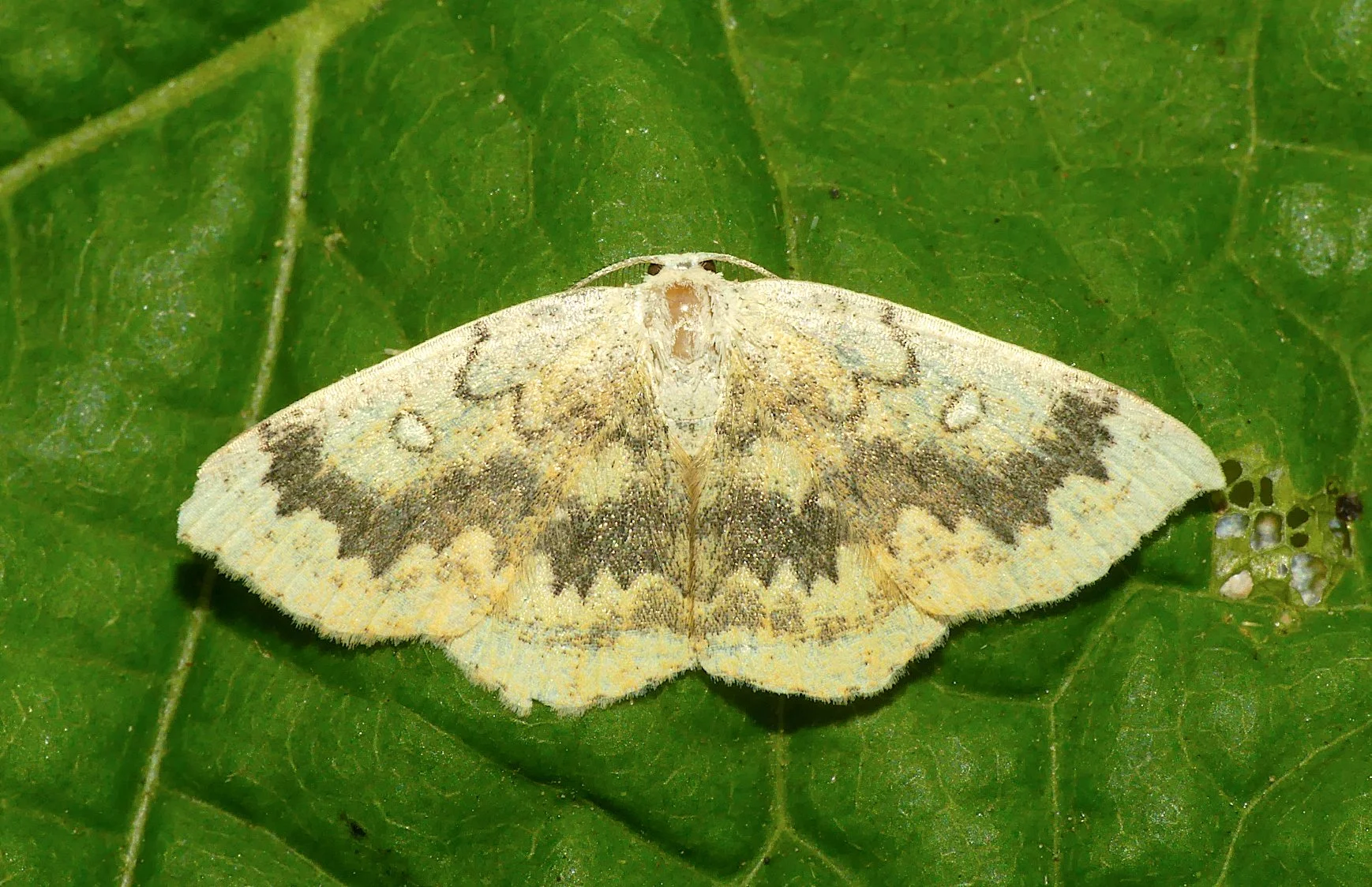
Mocha - garden, 23 Jul 26
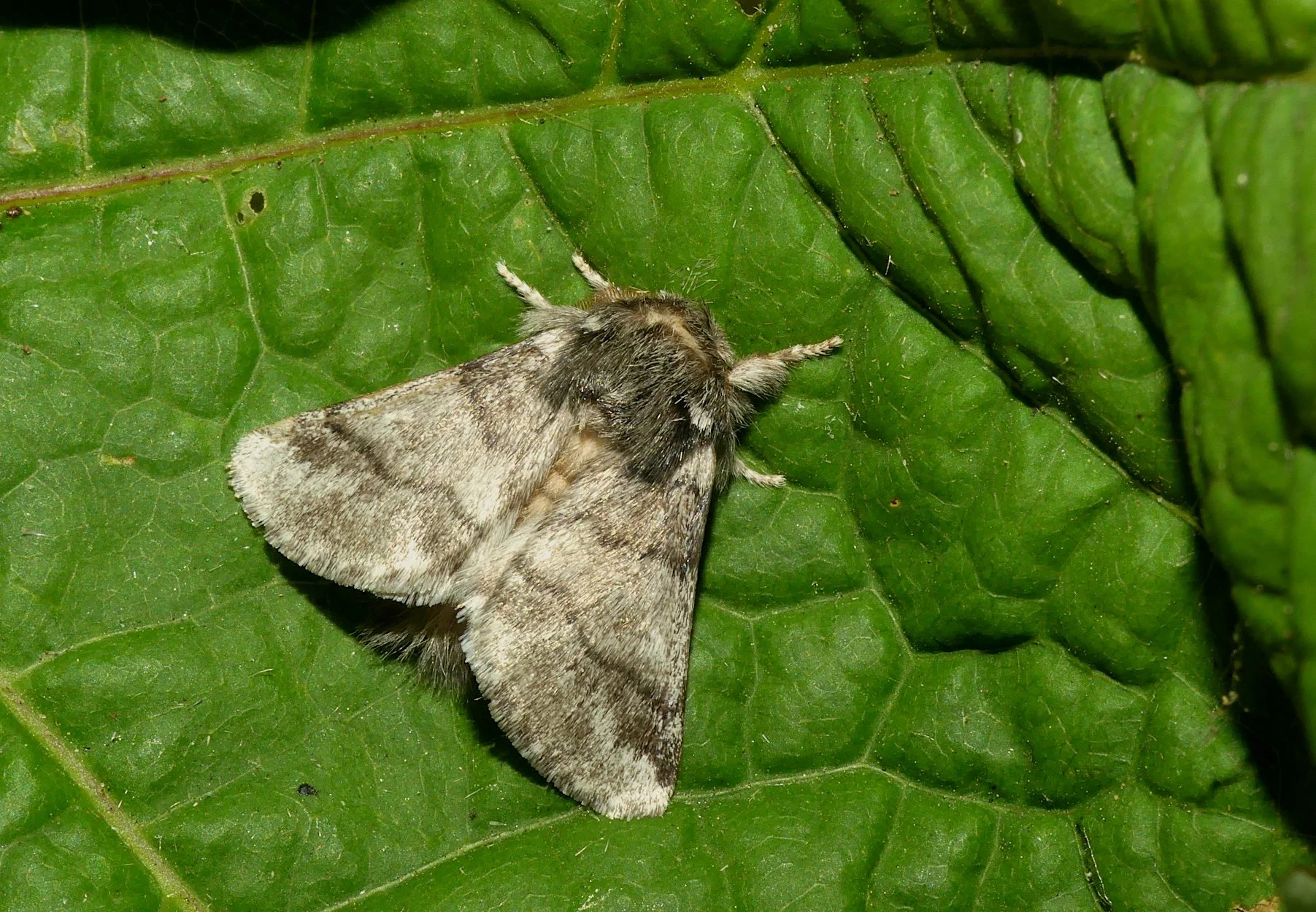
Oak Processionary - garden, 25 Jul 26
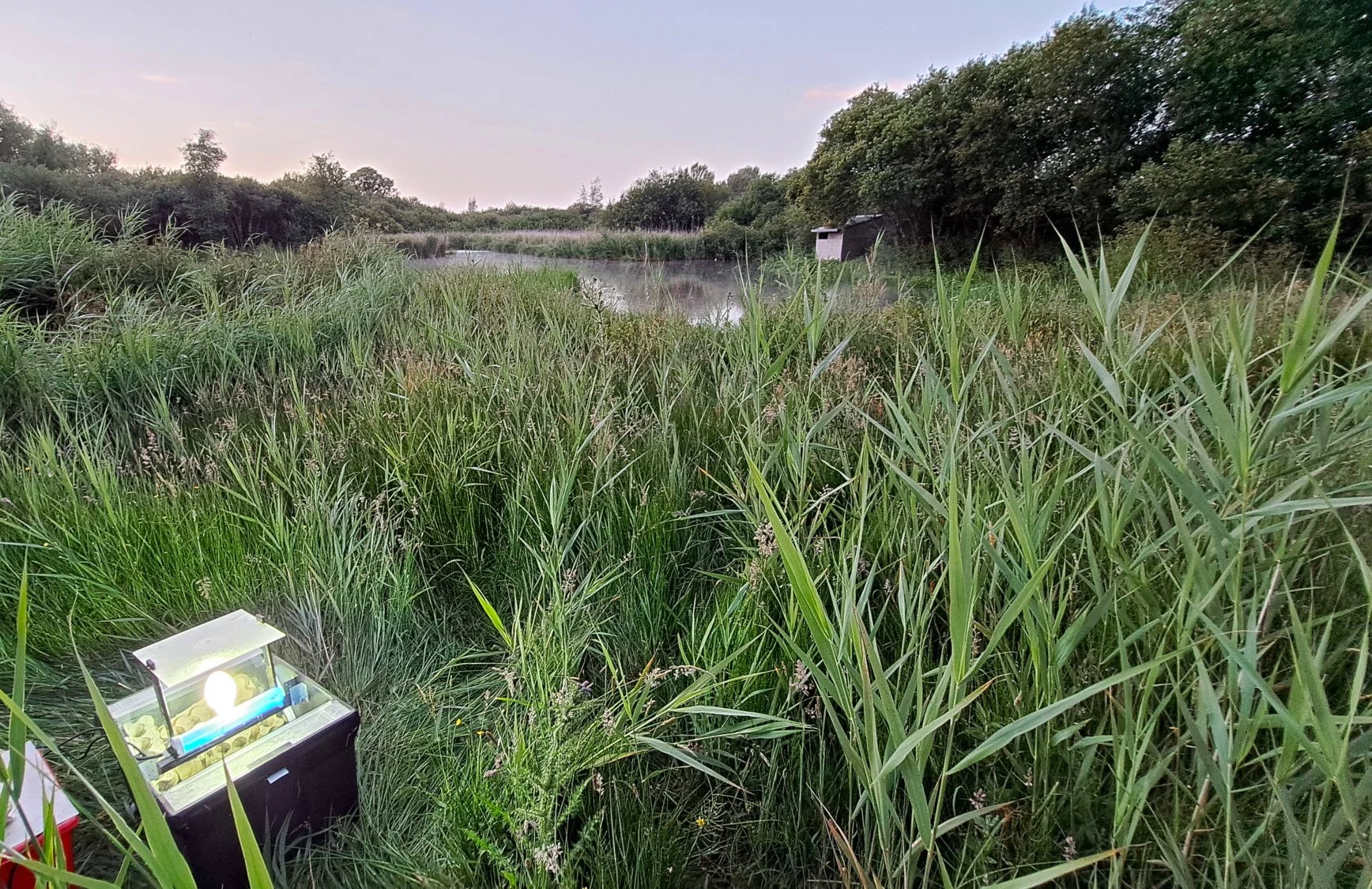
The Entomological Section went on a few field-trapping sessions, which are useful for seeing species that do not really wander into the garden very often. We had traps in the Vale Pond area on 4th July, hopefully looking for saltmarsh species, but, apart from lots of Coleophora salicorniae, we didn’t get any other speciality, apart from the soldier fly Nemotelus notatus (Flecked Snout). We did attract a few species from the nearby coastal dunes with a superb Shore Wainscot and my first White Colon for many, many years. Other notable species were Clepsis spectrana, Sitochroa palealis, Loxostege sticticalis, and Silky Wainscot.
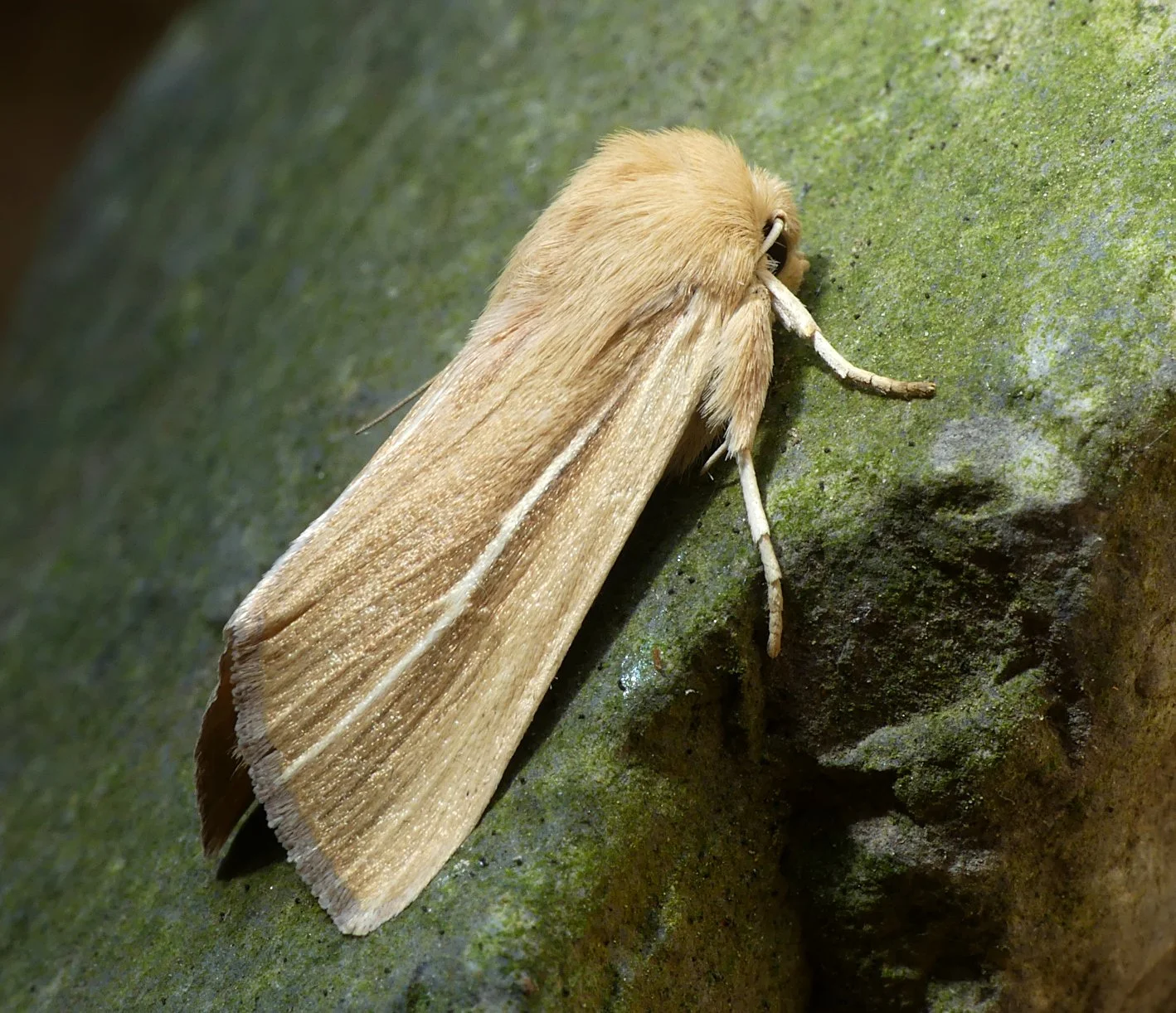
Shore Wainscot - Vale Pond, 4 Jul 26
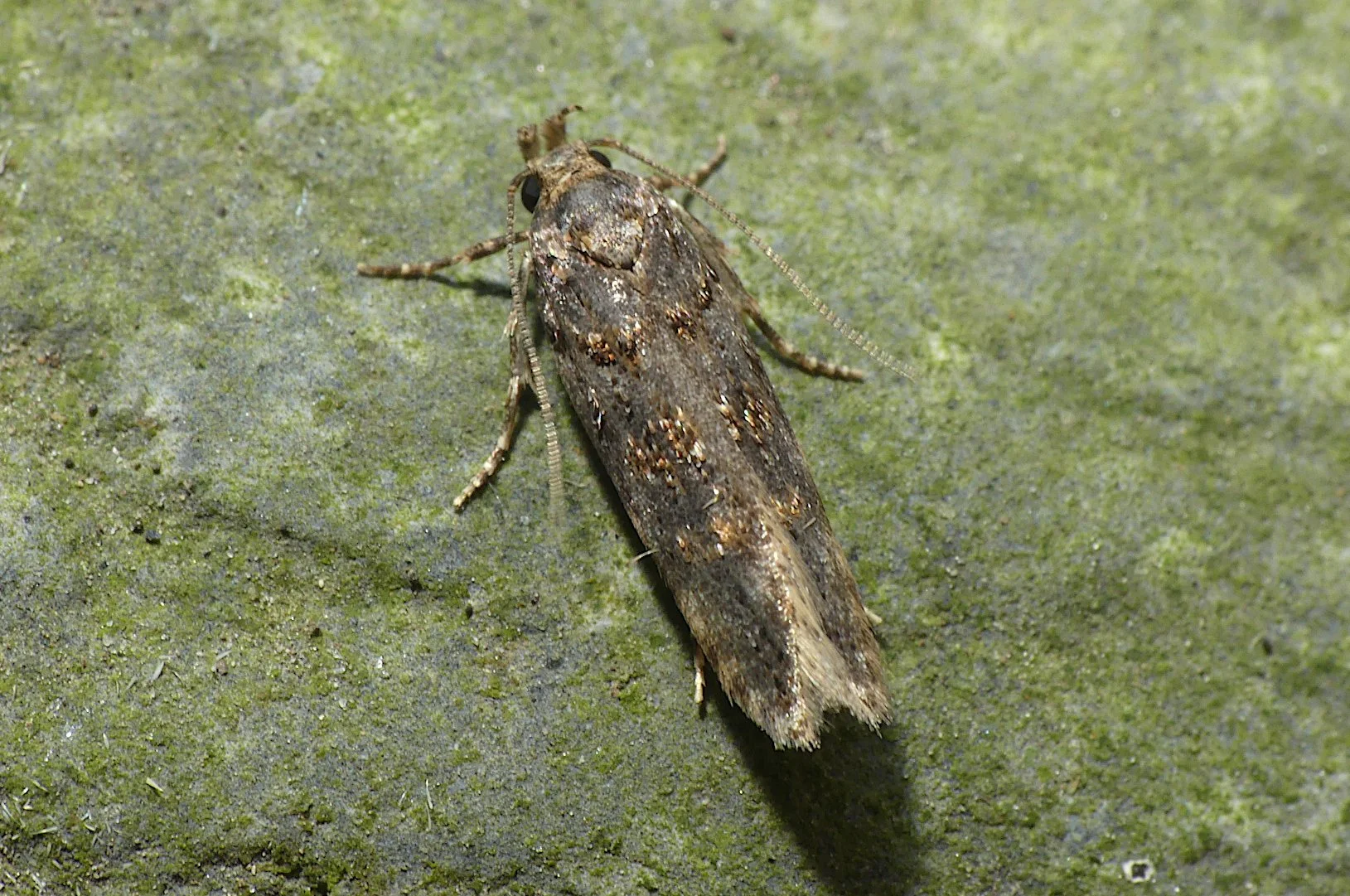
Teleiopsis diffinis - Vale Pond, 4 Jul 26
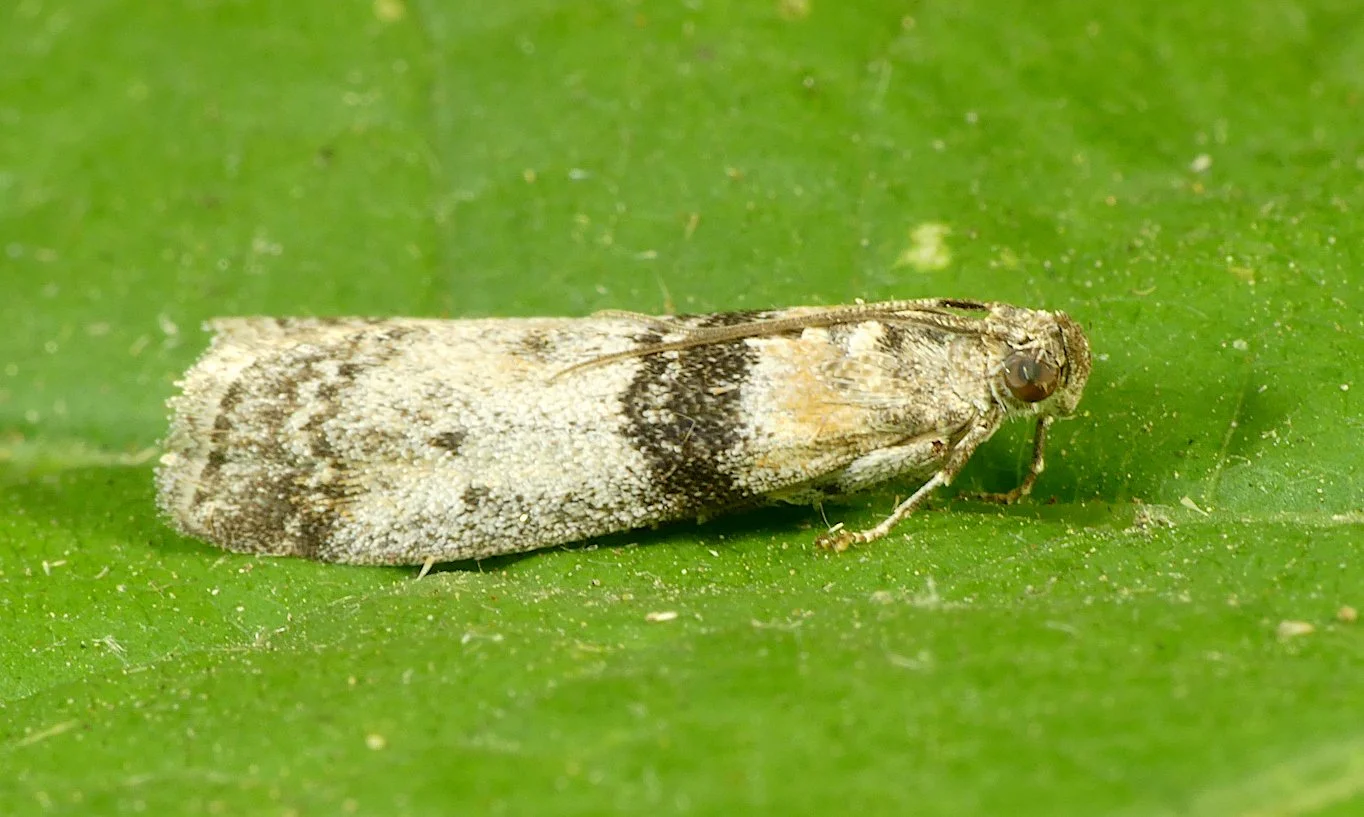
We also trapped Silbe on 18th July. We had a super selection, but only one new one for me, the tiny tortrix Ancylis diminutana. Other notable moths were Webb’s Wainscot, Lesser Spotted Pinion, Little and Small Emerald, and my first Metalampra italica for 20 years. A new lepidoptera for the garden was a brief visit of a Brown Argus on 19th July, now seemingly widespread in Guernsey after not occurring here at all when I first arrived. There was an influx of Clouded Yellows late in the month and amongst 5 at Rousse Tower on 26th, I saw a superb helice variety.
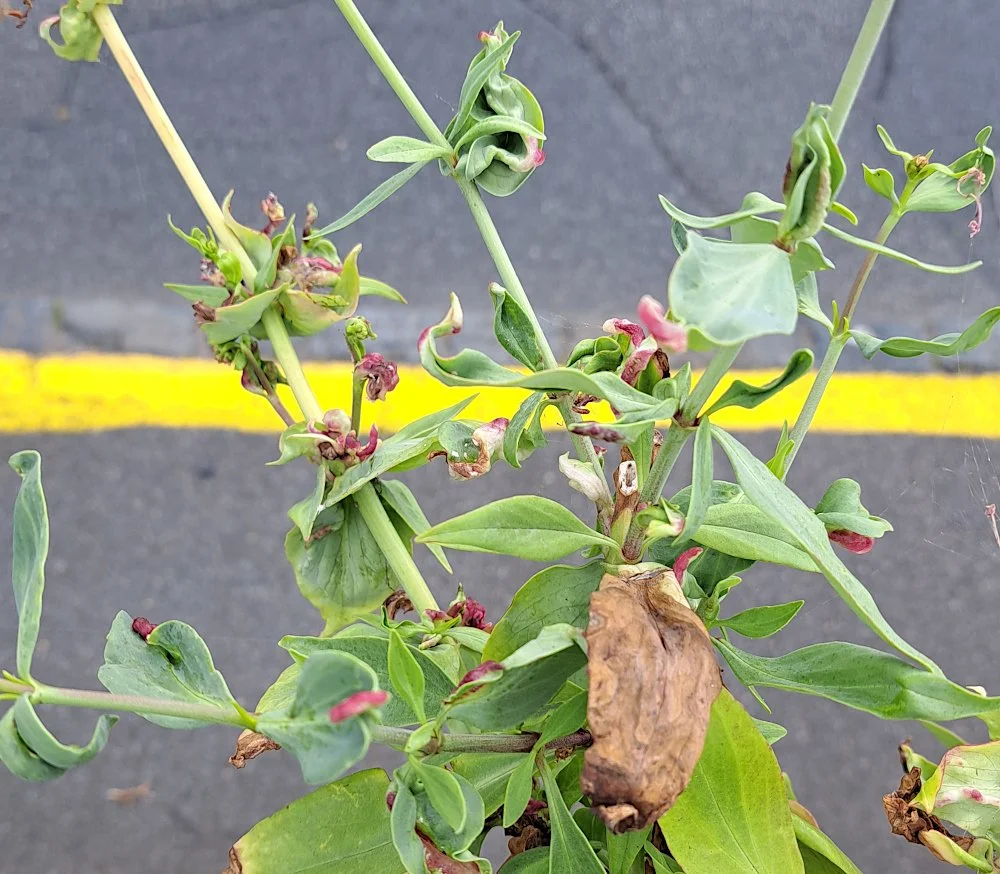
Trioza centranthi galls on Red Valerian - Delancey, 12 Jul 26 - just keeping your eye out for oddities, like these weird reddish curls on a Red valerian growing out of a roadside wall can reveal new species for Guernsey.
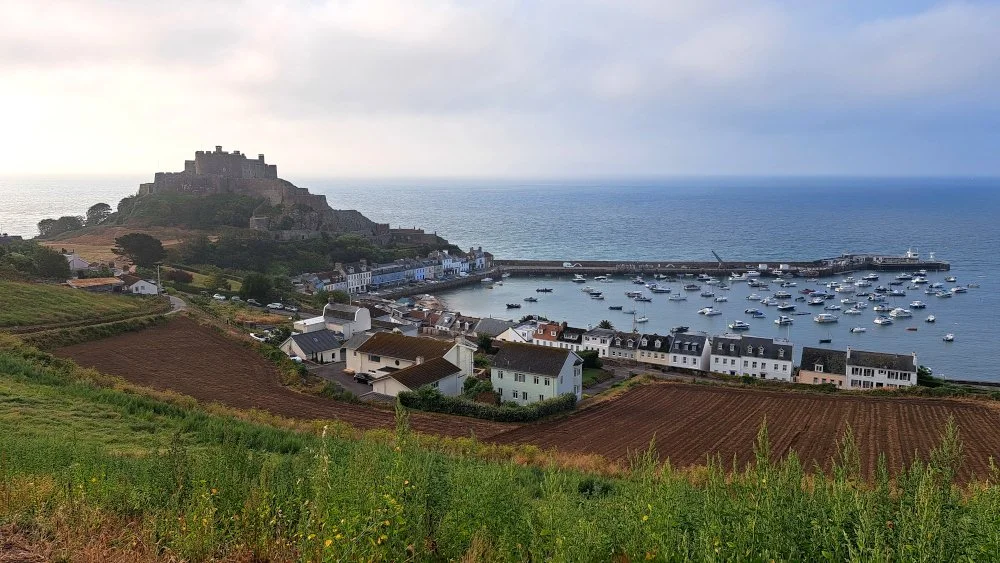
Gorey, Jersey
I had five days on a trip to Jersey mid-July with the school. Not really a wildlife-finding mission, but whilst waiting around for pupils to do their activities, there’s always things to see if your eyes are sharp enough, and I picked up a few new species.
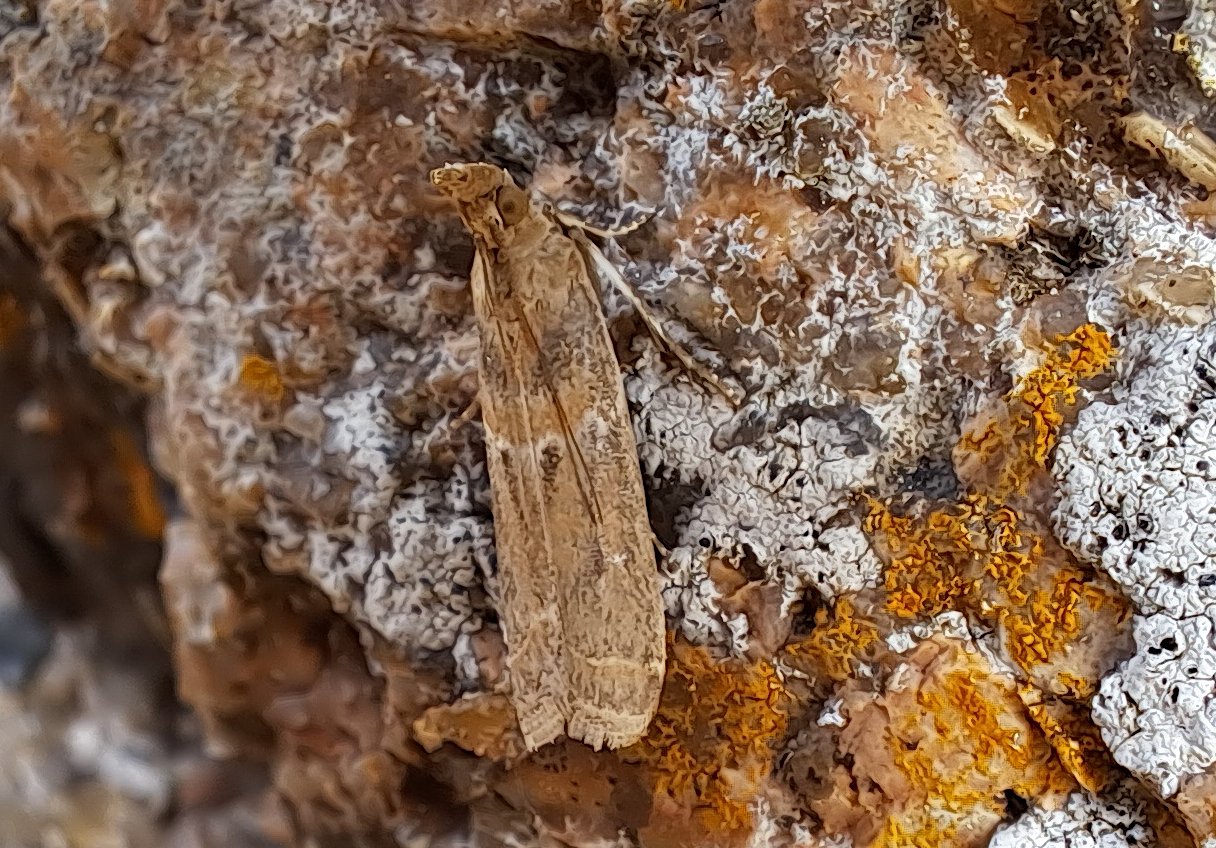
Gymnancyla canella - ST Brelade, Jersey, 16 Jul 26 - a rare coastal species that feeds on Prickly Saltwort - new for me.
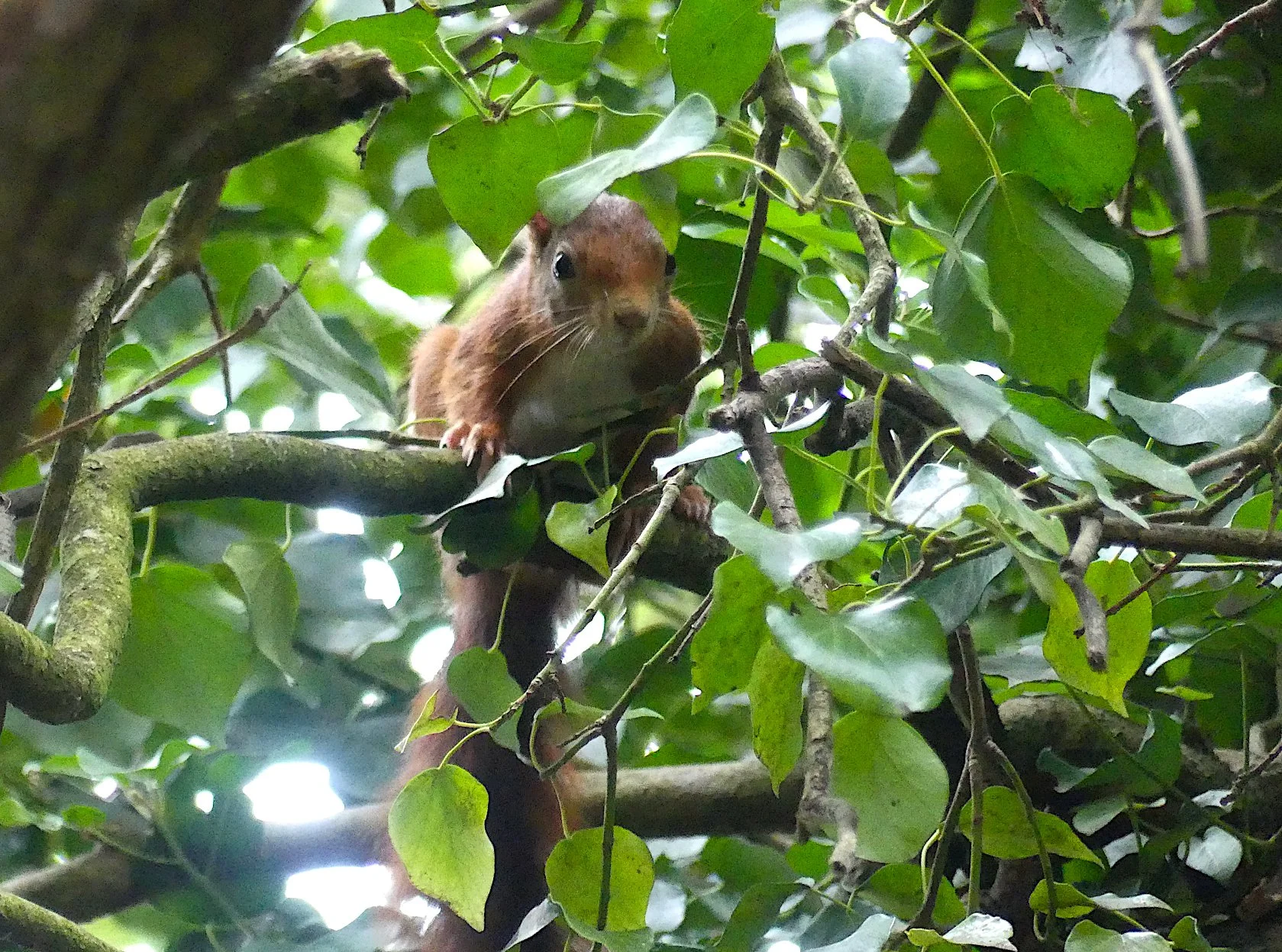
Red Squirrel - Jersey, 15 Jul 26
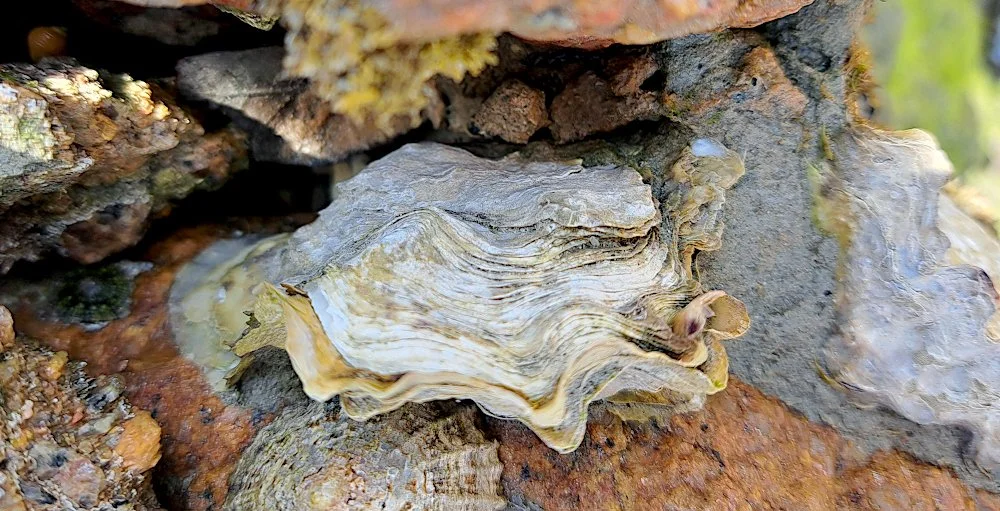
Pacific Oyster - ST Brelade, Jersey, 16 Jul 26
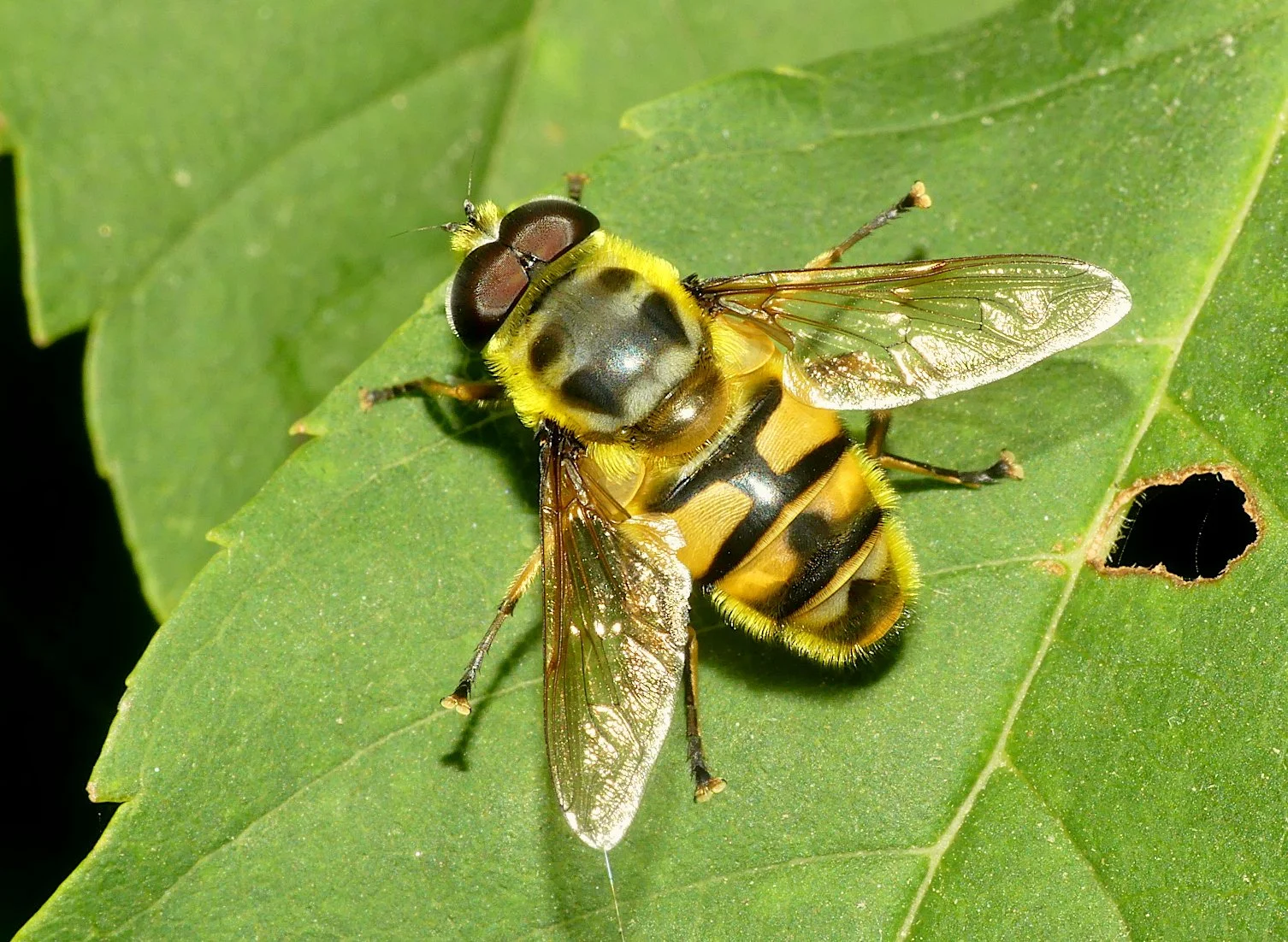
Myathropa florea - jERSEY, 14 jUL 26
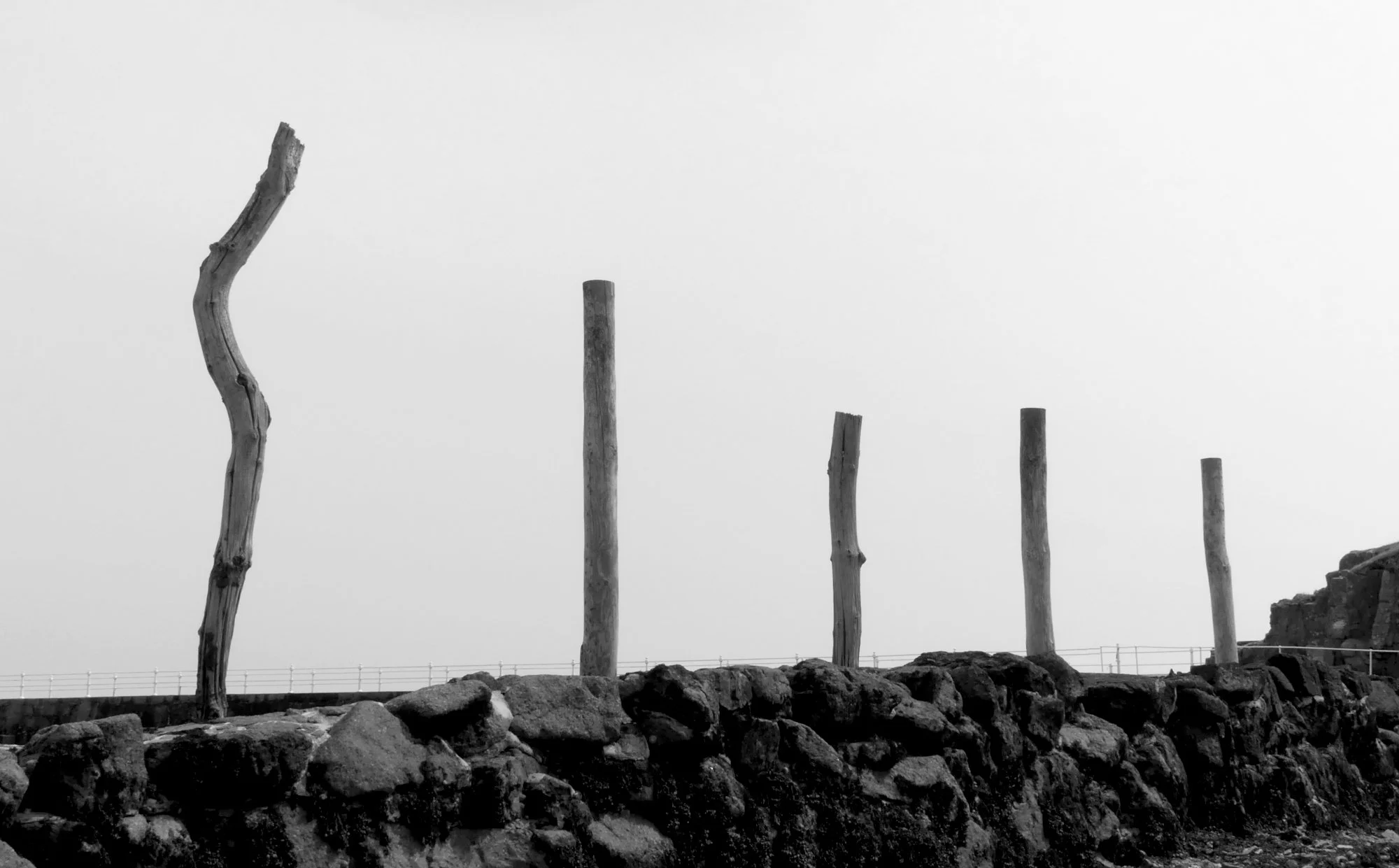
St. brelade Beach, Jersey, 16 Jul 26
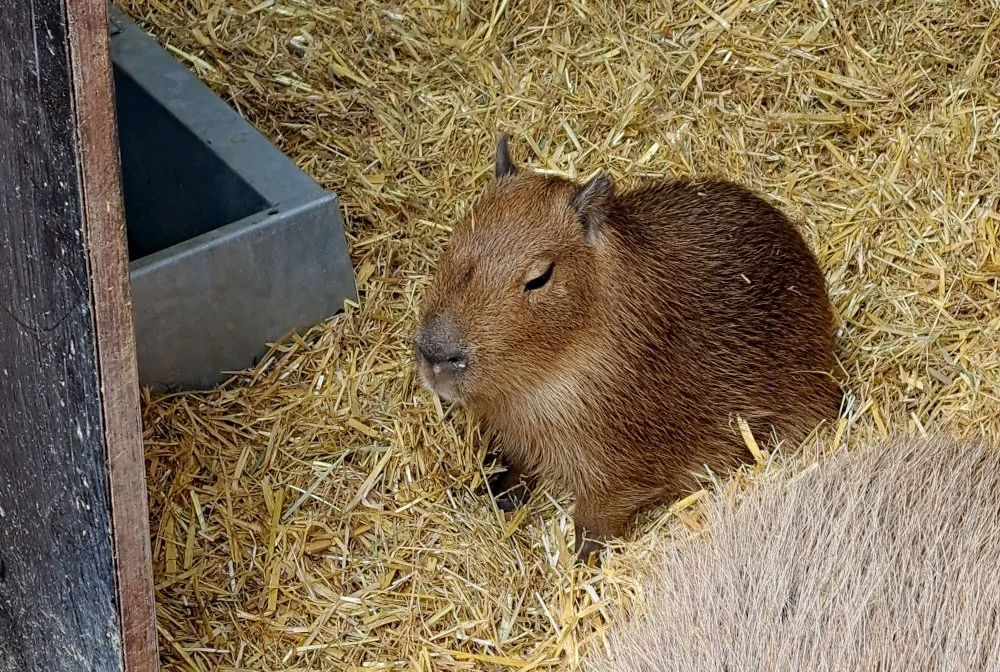
Baby Capybara - Jersey Zoo, 17 Jul 26
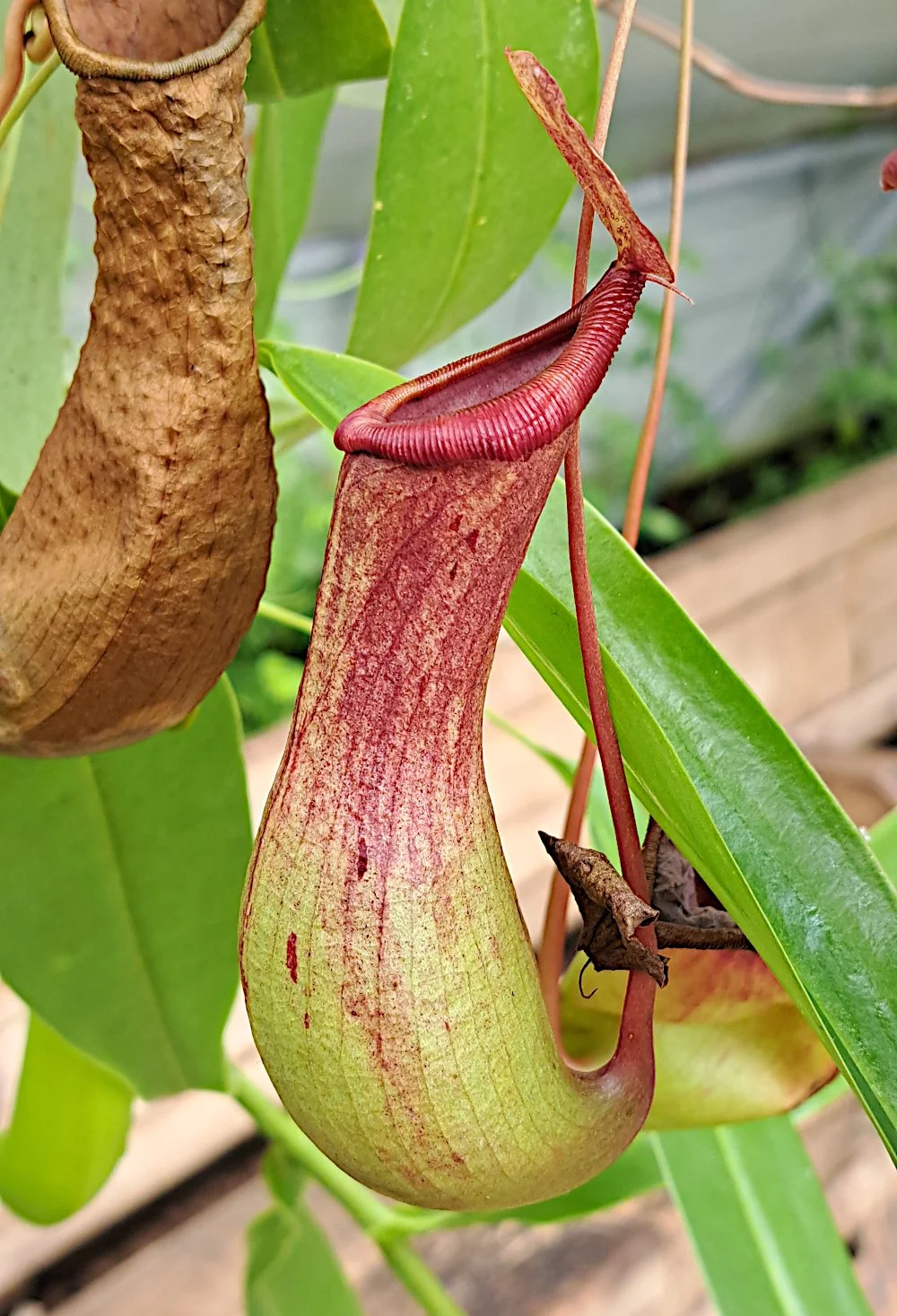
Pitcher Plant - Jersey Zoo, 17 Jul 26
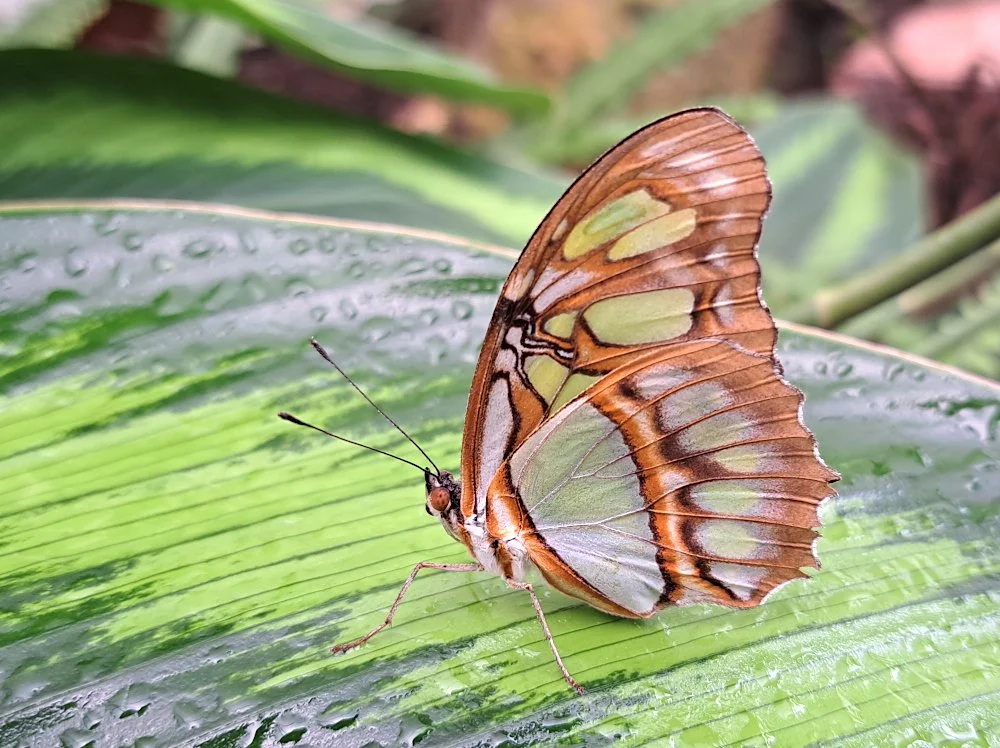
Butterfly sp.- Jersey Zoo, 17 Jul 26
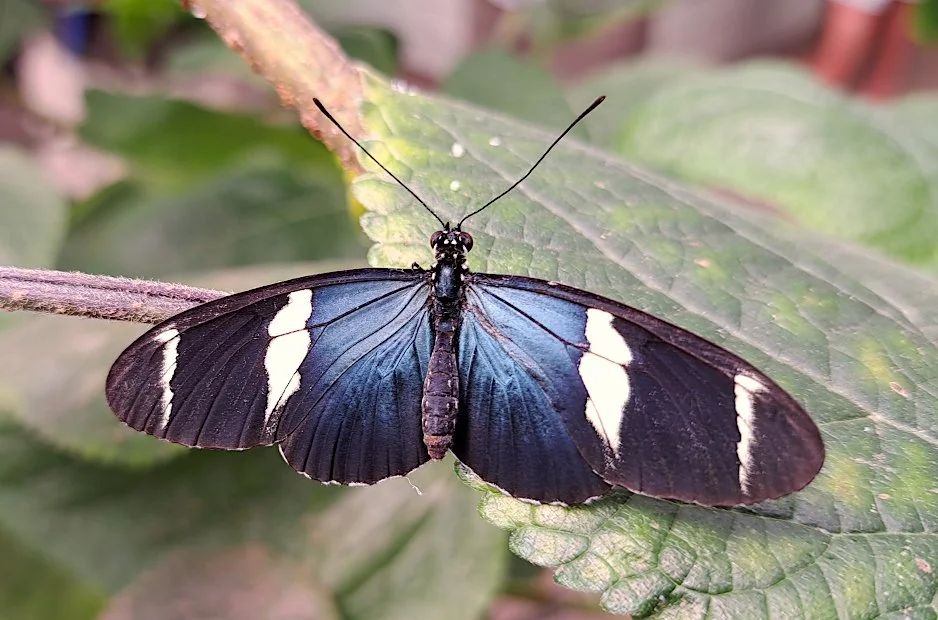
Butterfly sp. - Jersey Zoo, 17 Jul 26
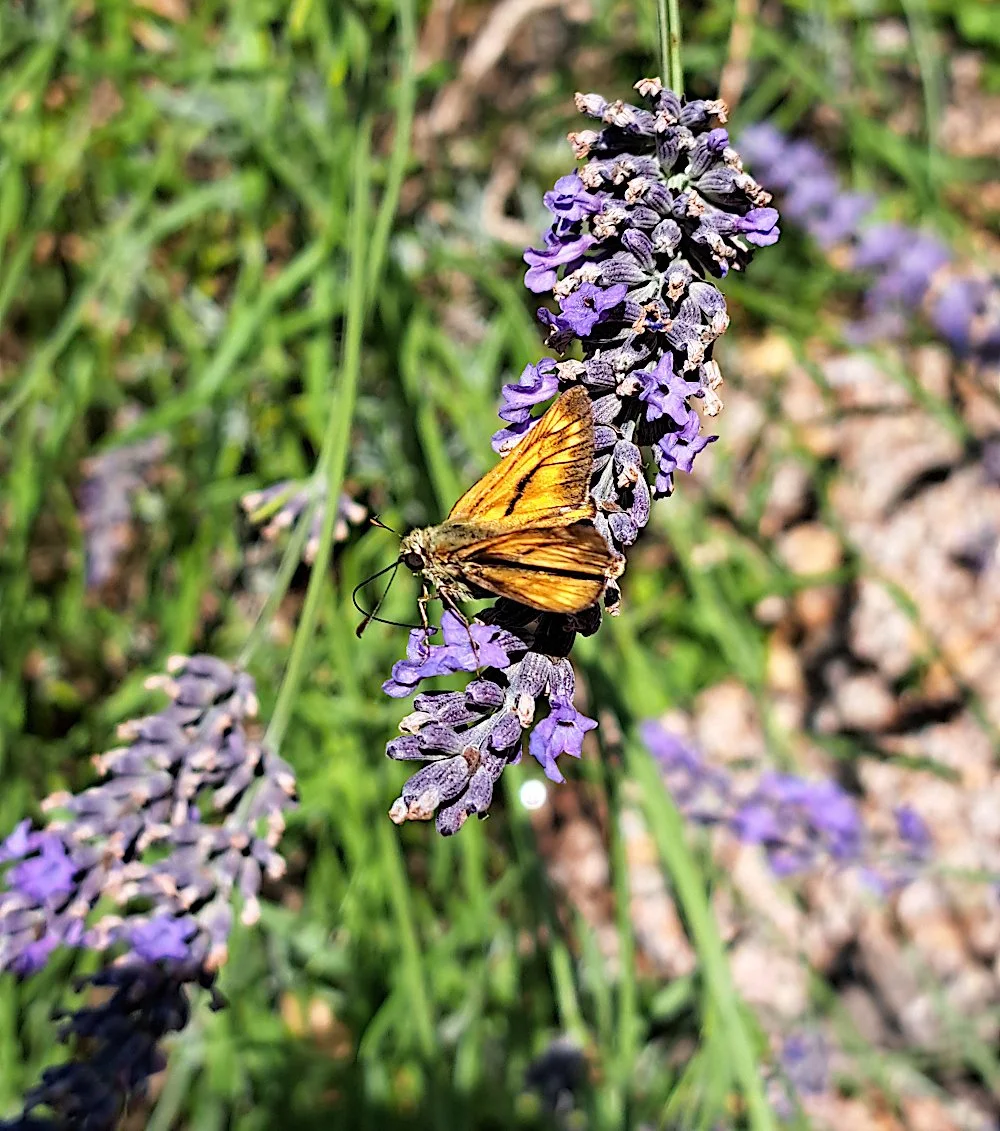
Large Skipper - Jersey Zoo, 17 Jul 26 - this line of lavender at the zoo had a least ten Hummingbird Hawk-moths feeding along it, as well as numerous butterflies.