
April 2026
/The start of April coincided with my Easter holidays and so was looking forward to some good birds turning up, and this started with a grapevine message about two Red Kites along the west coast in the early morning of 7th April. I was dropping off my daughter in St Martins, so I didn’t go looking for them, but, just as I headed back, a message came through that a Black Kite had joined the two Reds, and they were now flying somewhere near Vazon.
I drove across the island’s centre, keeping my eye out, and when I headed down the hill from Beaucamps I spotted a lanky bird of prey in the distance ahead, which gave me a kite-like feeling as it flopped along. As I turned the bend by the Rue des Bergers turning, a Red Kite appeared right over the car! It was really low and when I jumped out, I could see that there were two bird directly behind it - another Red and a splendid Black Kite. The fork of the Black Kite was barely noticeable, especially compared to the very concave Red Kite tails. They hung in the breeze, and I managed to take a few shots before they gained a little height and drifted towards the golf course, where I managed a photo of all three birds together. This is the first two-species kite group ever seen in Guernsey. The two species’ records used t barely overlap with BK mostly in spring and RK mostly in winter. But with the increase in Red Kite population, that species could now appear at anytime.
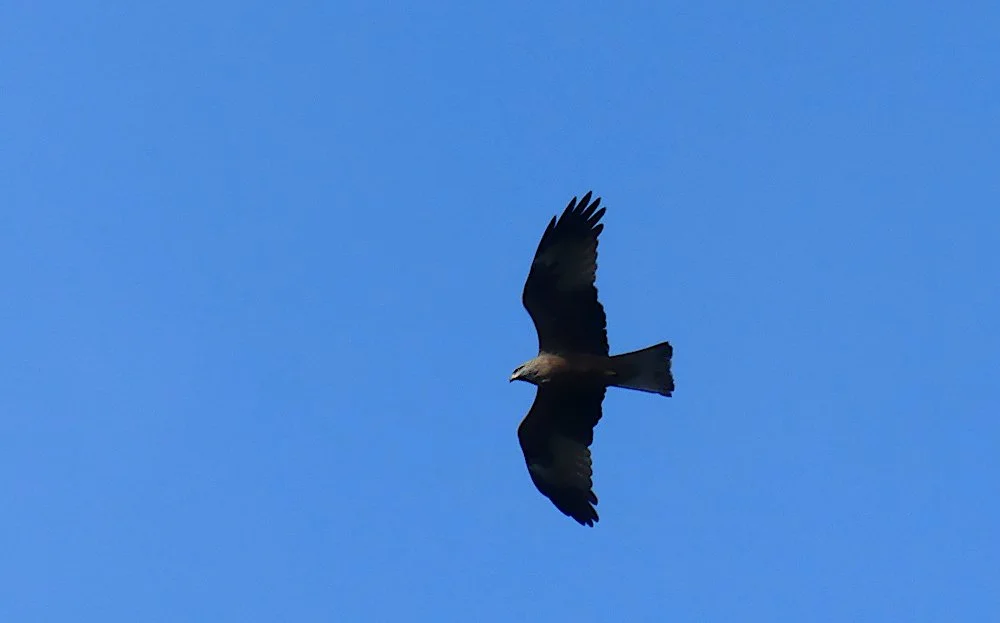
Black Kite - Grande Mare, 7 Apr 26
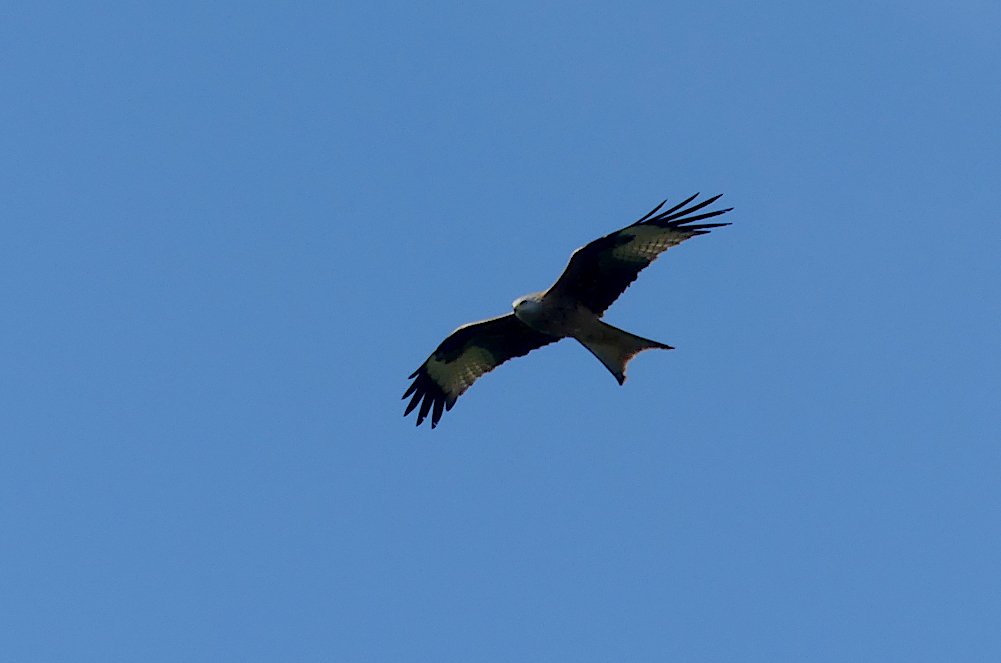
RED Kite - Grande Mare, 7 Apr 26
The group of raptors drifted a bit further south and looked like they were heading for the Fauxquets. A fourth bird joined them, and I thought it was going to be another Black Kite until I realised it was the local female Marsh Harrier adding to the spectacle. The group seemed to split at this point, and the Black Kite went easterly over the brow of the hill. I decided to try and follow it and caught sight of it again from Mont D’Aval as it went towards Saumarez Park, but that was the last time I saw it.
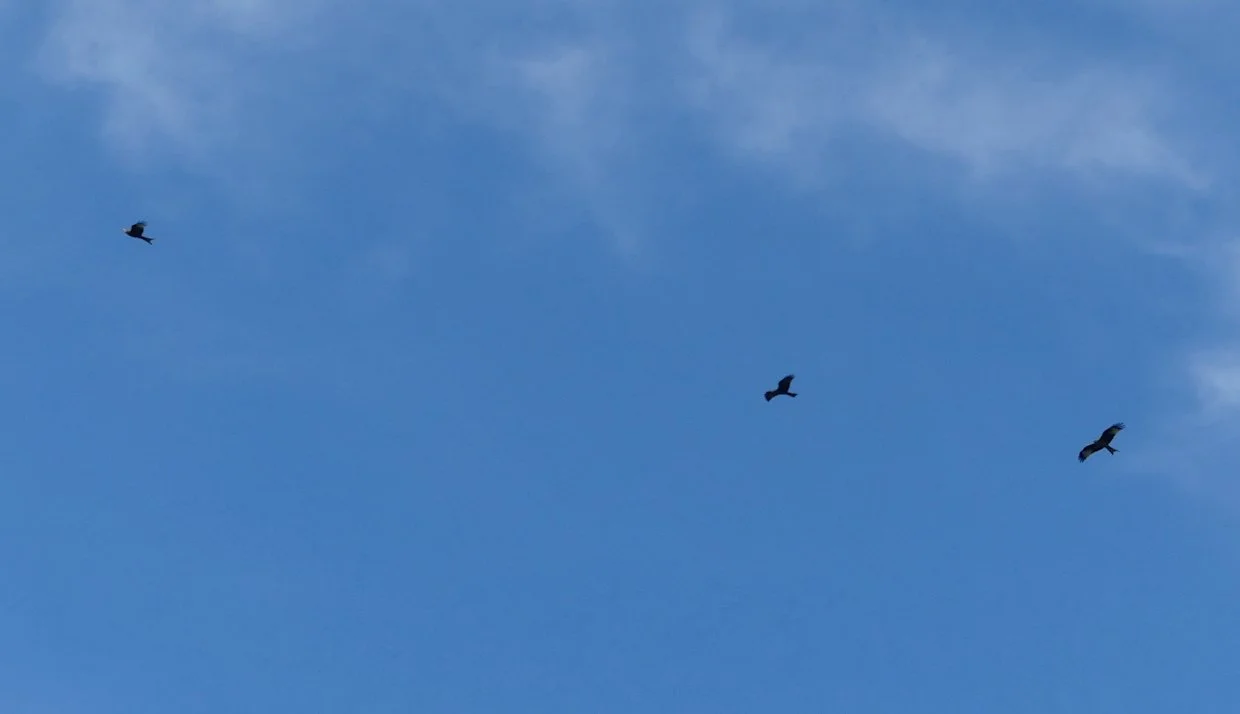
Black (middle) and red Kites - Grande Mare, 7 Apr 26
Later in the day, about 2 pm, I was just driving back from the direction of town when I bumped into the two Red Kites again circling over the fields along the Coutanchez. The Easter holidays were disappointing for birding apart from the above kites, with very little seen, and very few migrants new in. On 15th April I drove past a migrant Bar-tailed Godwit feeding on the beach at Port Grat with Oystercatchers which was nice and early.
On 18th April I managed quite a good, migrant-laden morning on the cliffs. There were plenty of birds to see, which was a surprising sight after many visits of slim pickings. There had been a little fall of Wheatears, with about 50 to 60 birds scattered across from Pleinmont to Mont Herault, including a few small flocks. Whitethroats had arrived in numbers all of a sudden, and, on the top of Pleinmont were a male Ring Ouzel and four Yellow Wagtails. Even looking out to sea the Manx Shearwaters had appeared in force with many hundreds feeding by the Hanois, plus, more unusually a flock of 11 Kittiwakes passing the cliffs. I can’t remember seeing any more than one or two from here before.
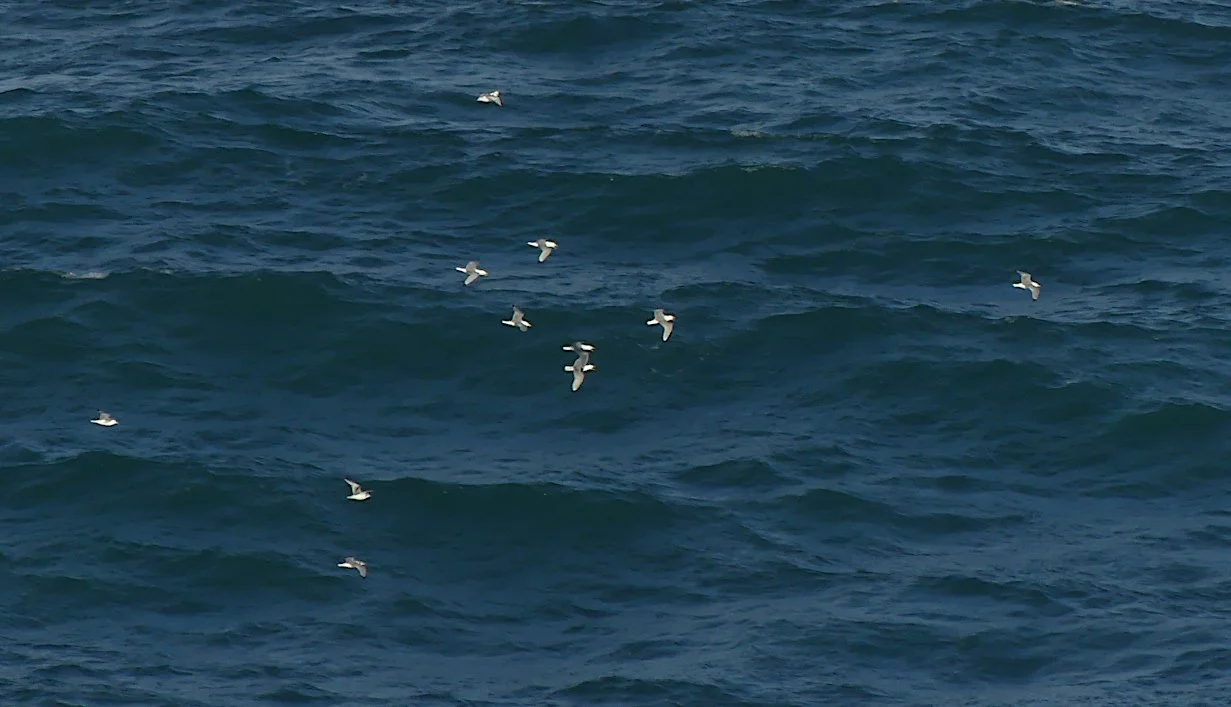
Kittiwakes - Pleinmont, 18 Apr 26
Down in Forge Valley, Mont Herault, a Willow Warbler was singing - much my belated first for the year - and right down at the bottom, just above the cliff face, an invisible Grasshopper Warbler was reeling away. Moving on to Prevote, a Sedge Warbler was singing, and as I made my way back to the car, a pair of Choughs flew overhead calling. These are the first of the Jersey reintros I’d seen since the first ones a few years back. They appear to have semi-settled in the area.
The final week or so had more regular migrants noted along the patch such as Yellow Wagtail at Pulias on 20th. I popped out to see a breeding-plumaged Spotted Redshank at Vale Pond in the evening of 23rd April but unfortunately it spent its whole time on the far side. Two Greenshanks were flushed from the beach across the road.
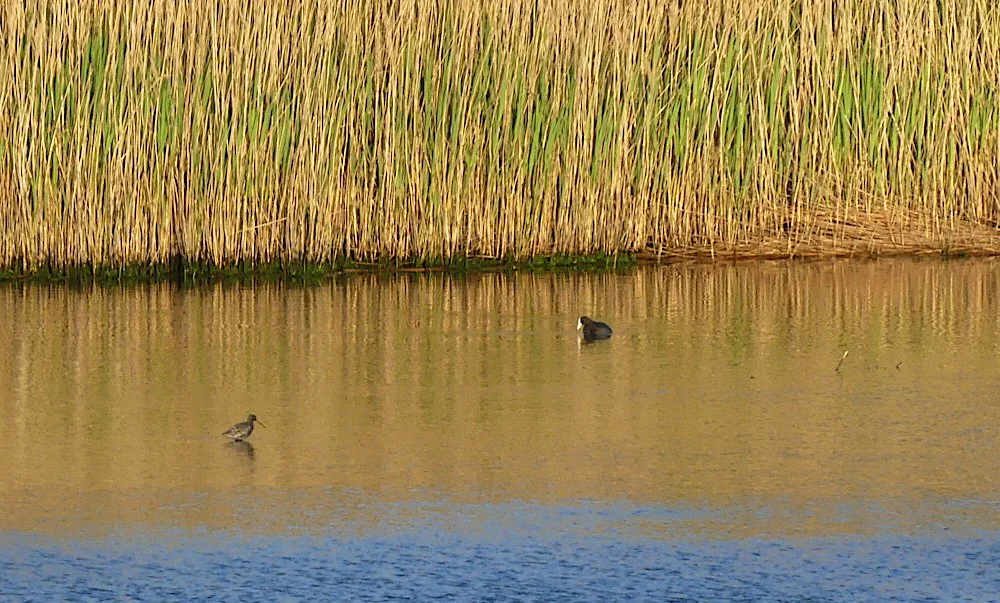
Spotted Redshank - Vale Pond, 23 Apr 26
On 30th April a female Blue-headed Wagtail was feeding at Fort Hommet (not looking very blue in the pic below - but it did have a blue tint to it). Also that day, there was a tremendous influx of Painted Ladies and I counted about 40 insects just in the small area of Pulias. I had noticed earlier in the day on break duty that there were lots moving north across the playground.
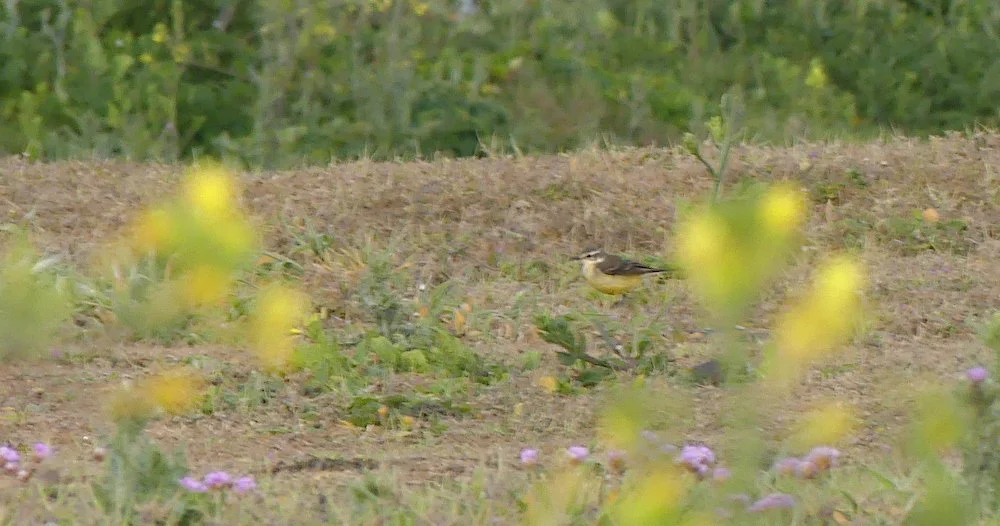
female Blue-headed Wagtail - Ft Hommet, 30 Apr 26
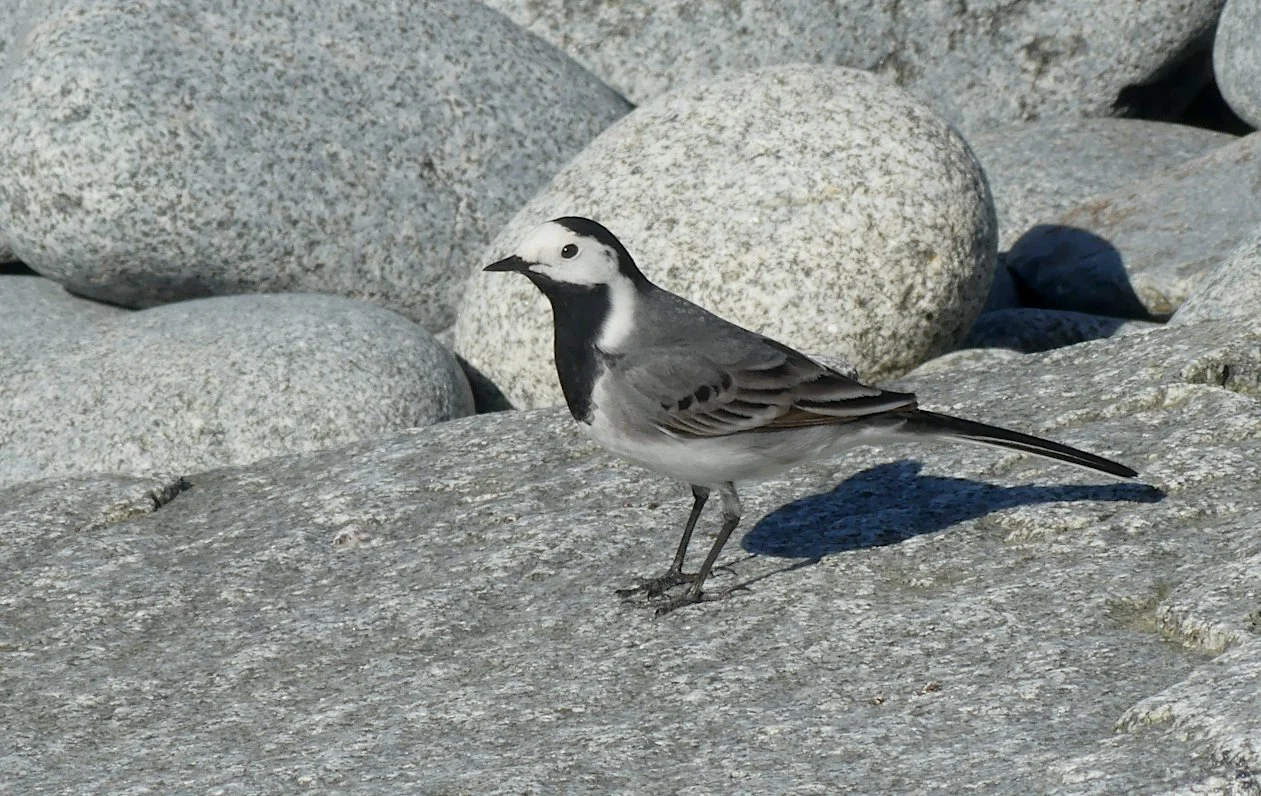
White Wagtail - Pulias, 13 Apr 26
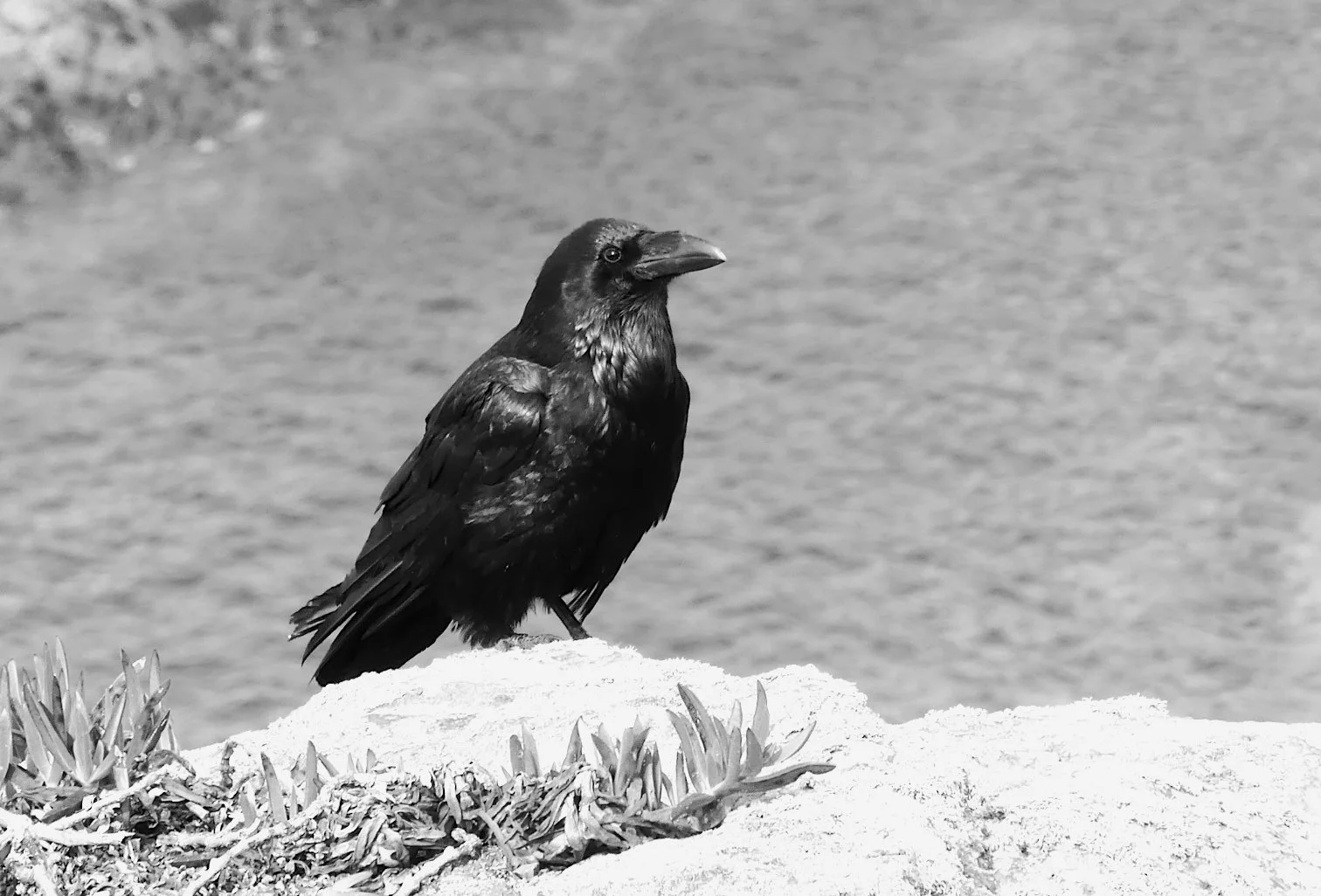
Raven - Tielles, 26 Apr 26
The second half of the month saw some pretty good moths trapped at home. I often don’t get the trap out until May but this year I made the effort and got some decent rewards. I had a few “seconds” for the garden with Lunar Thorn on 16th and both Red-green Carpet and Dryadaula pacteola Cellar Clothes Moth, a very rare micro.
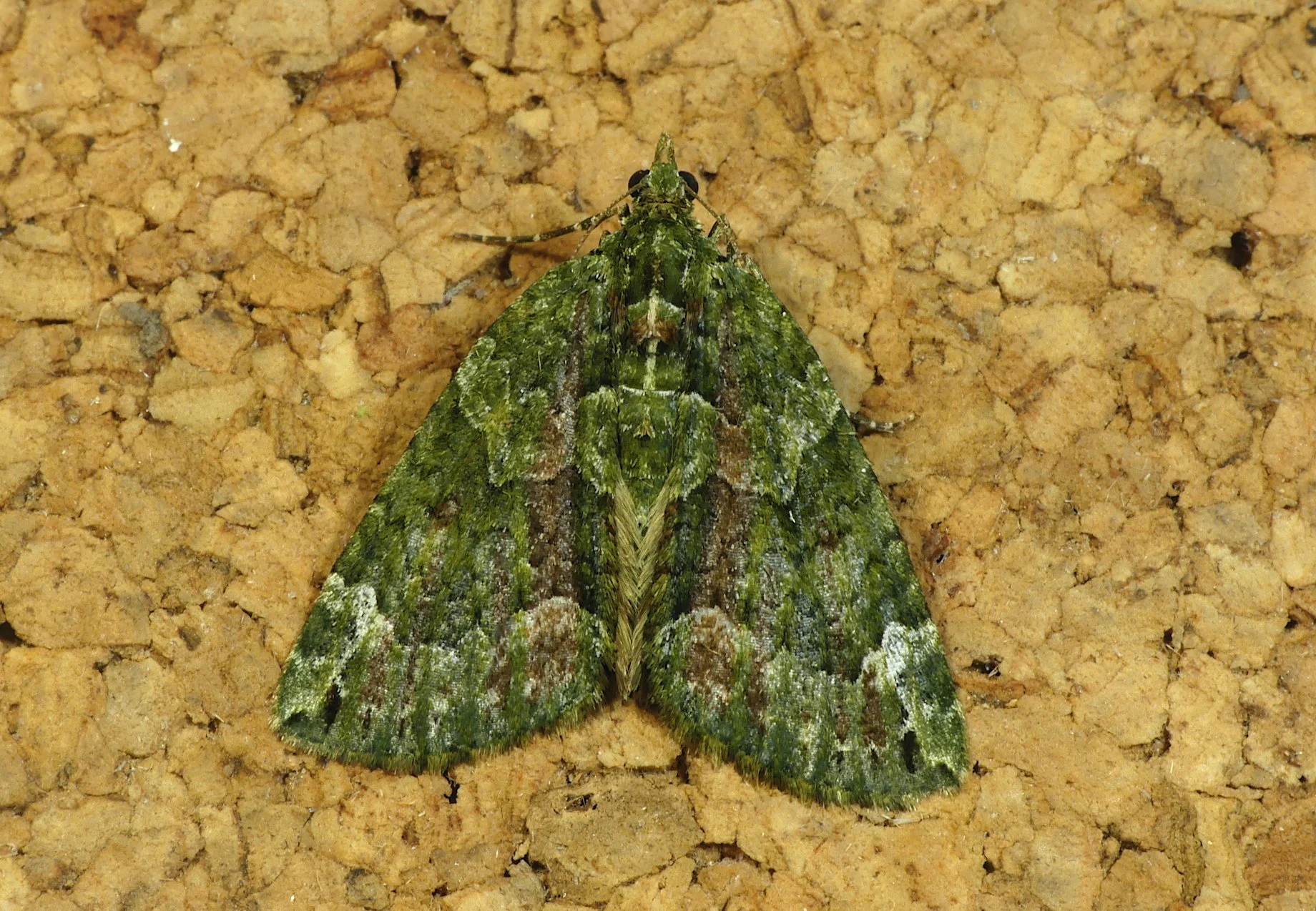
Red-green Carpet - Garden, 25 Apr 26
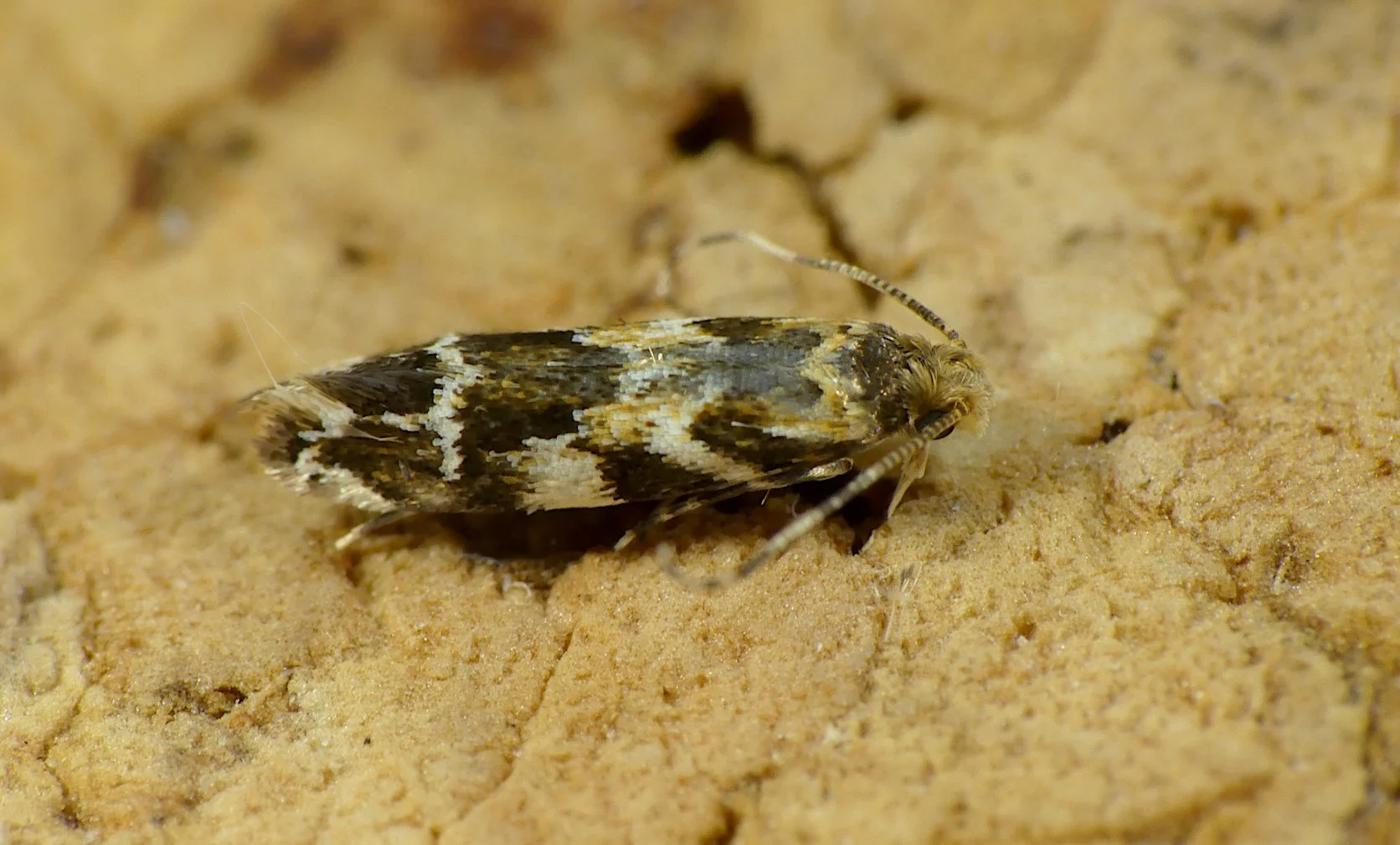
Dryadaula pactolia - garden, 25 Apr 26
Linked with the Painted Lady influx, the 30th April was warm and especially busy for the time of year and about 50 species were recorded, including the migrants Silver Y, Diamond-back Moth and Small Mottled Willow. The headline act though was the female Emperor Moth which appeared just after dark, flinging itself into the sheet. Although not uncommon on the cliffs, coasts and commons, this was my first record of this spectacular moth from the garden.
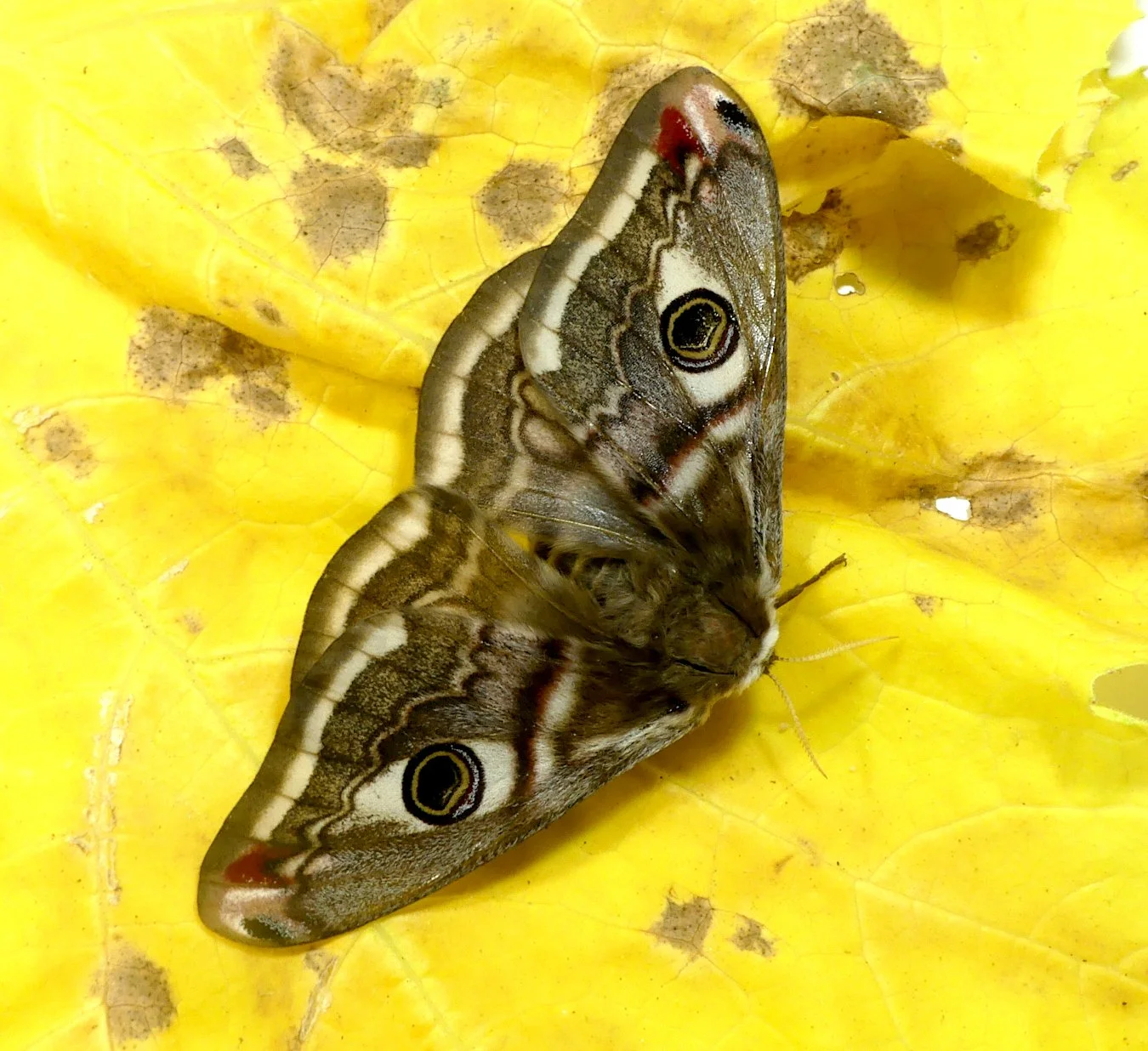
Emperor Moth - garden, 30 Apr 26
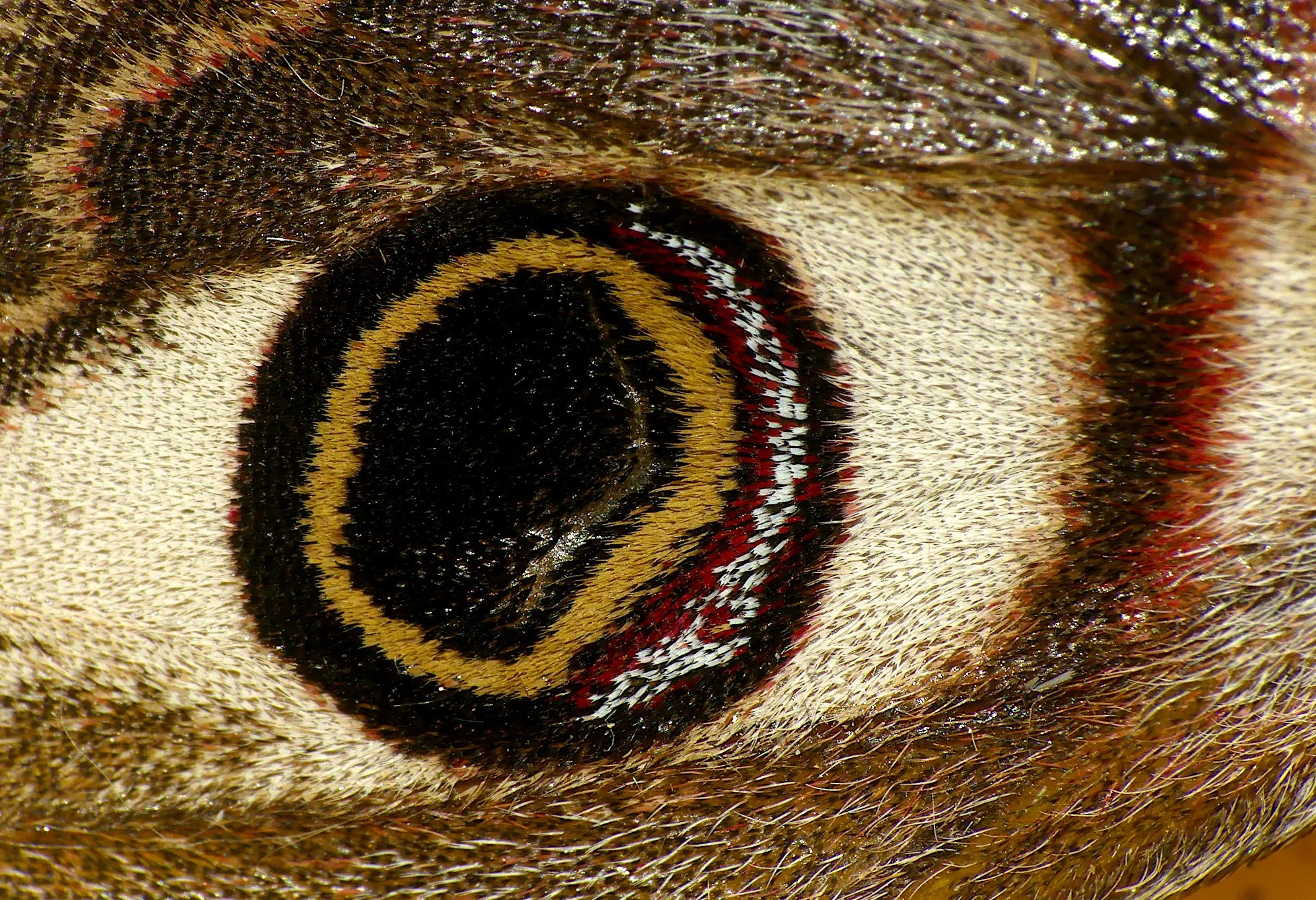
Emperor Moth - garden, 30 Apr 26 - the Batesian mimicry fake eyes even have a shiny highlight as if the sun is twinkling off them
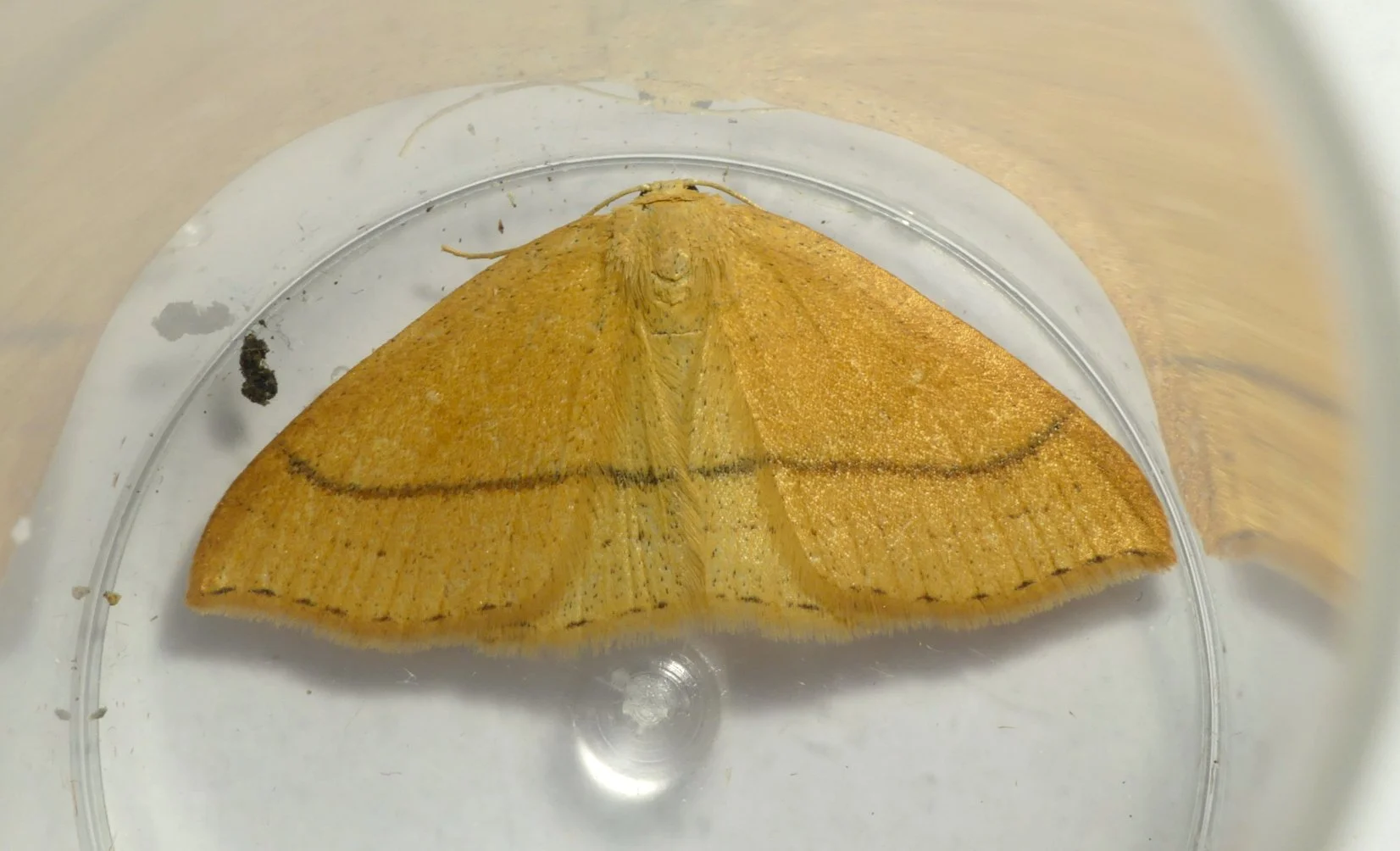
Clay Triple-lines - garden, 30 Apr 26
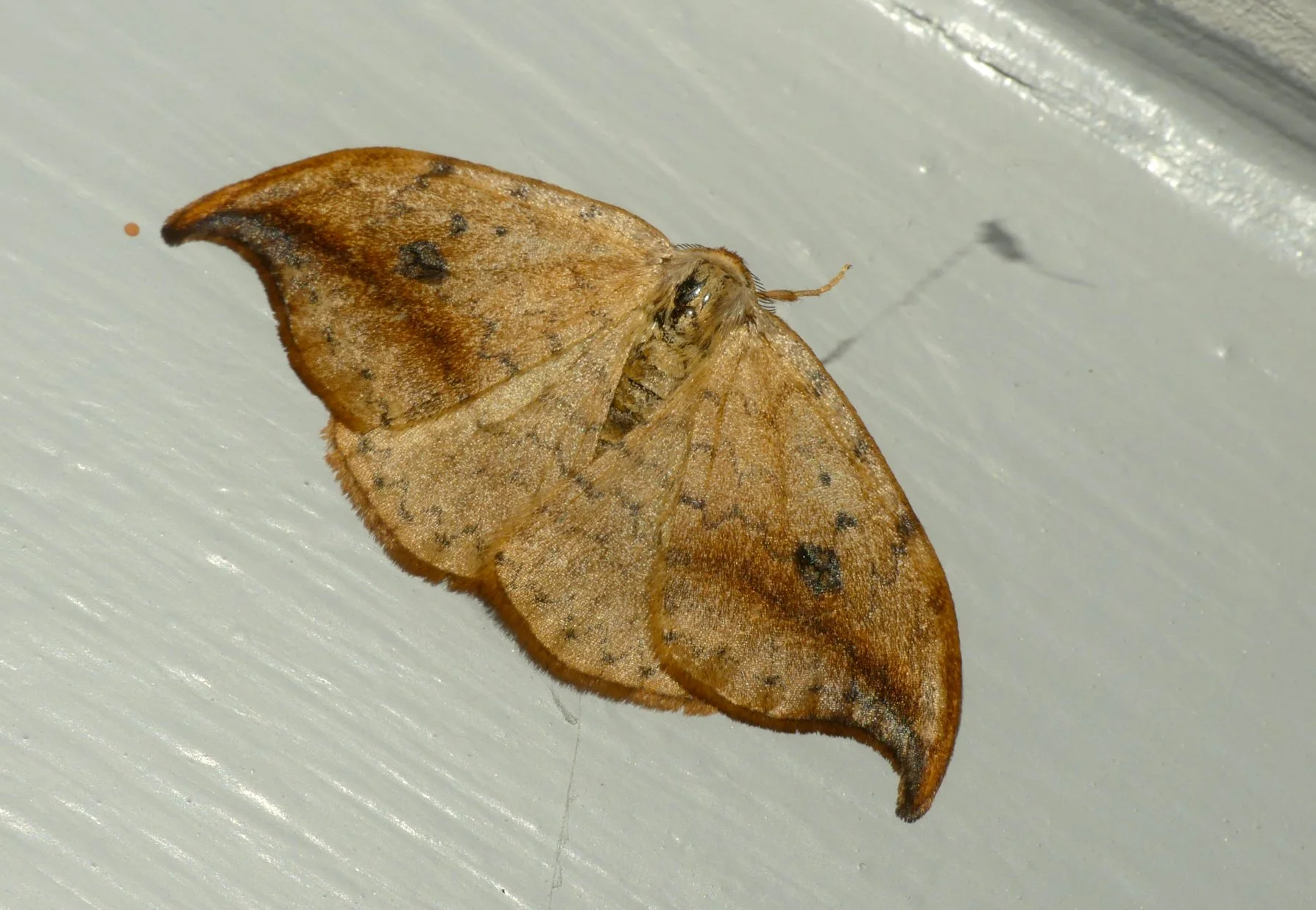
Pebble Hook-tip - garden, 30 Apr 26
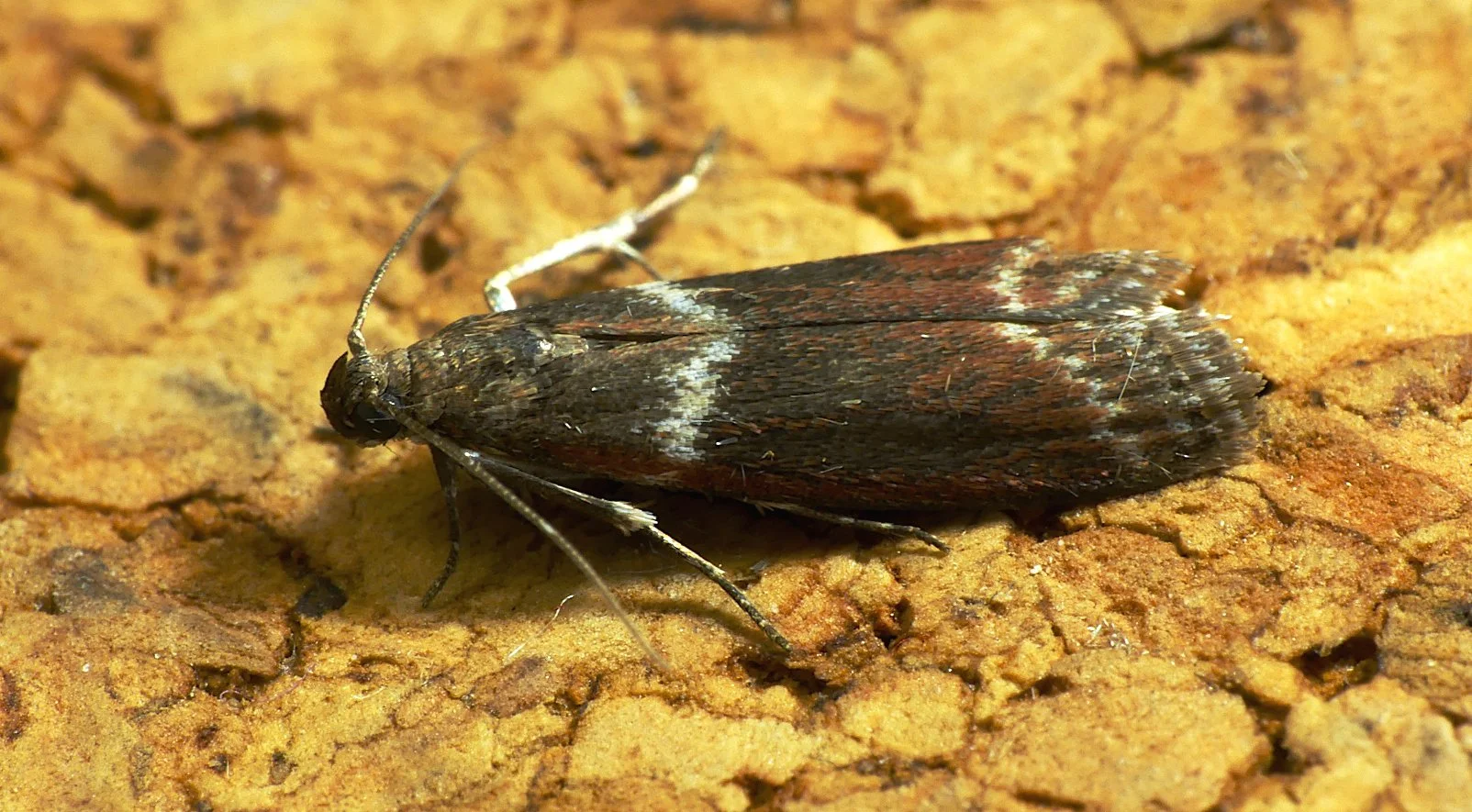
Cryptoblabes bistriga - Garden, 30 Apr 26
Right at the start of the month, I had a few days in Yorkshire - a little bit early to see very much but it was nice to visit a few new spots. north Cave Wetlands was so much bigger than I expected. Lots of lagoons with lots of birds on them. There were plenty of Avocets and a few Black-tailed Godwits and I had a nice, albeit dull, walk round.
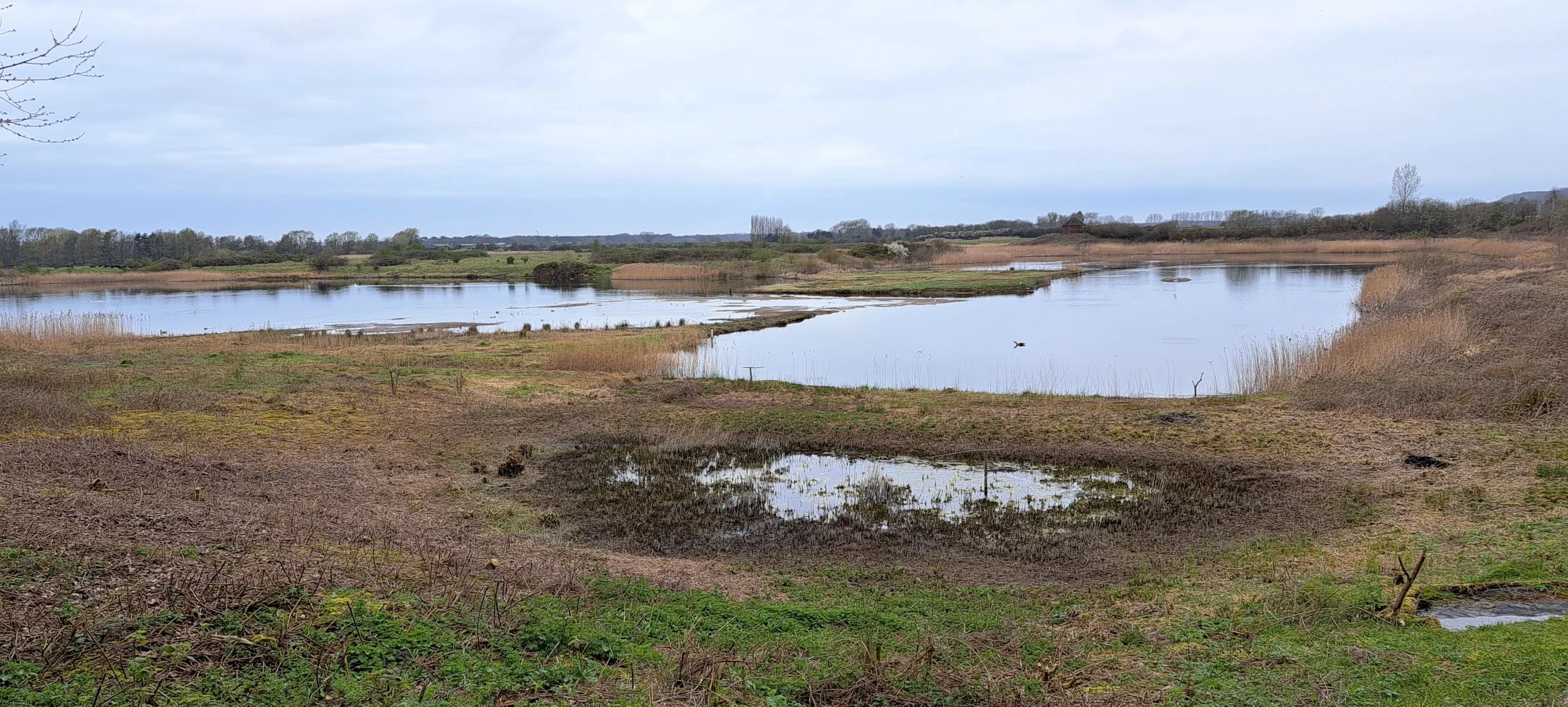
North Cave - 1 Apr 26
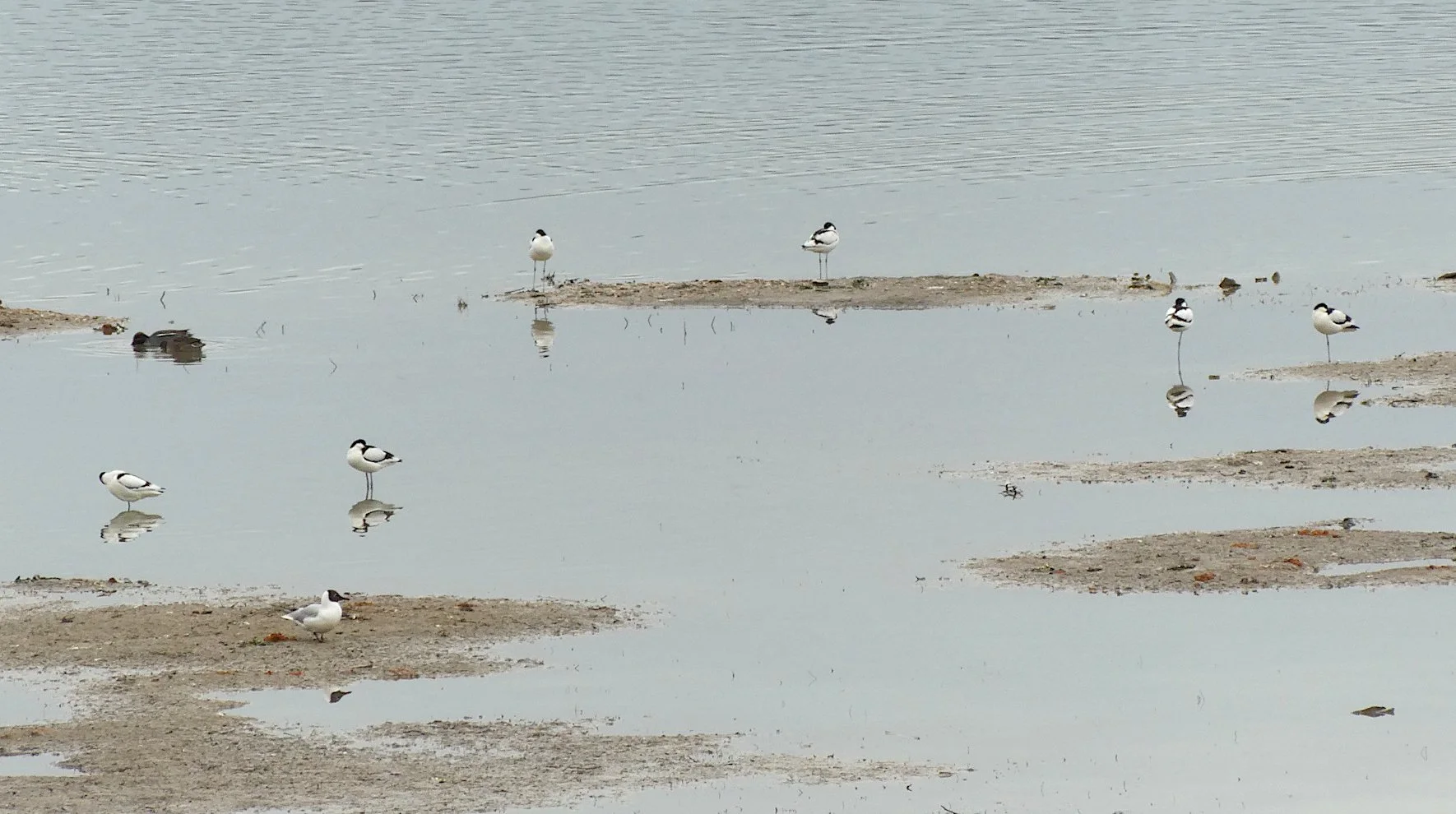
Avocets - North Cave, 1 Apr 26
I called in at the tiny reserve of Rifle Butts Quarry on the edge of the chalk, which is good for plants in the summer. It was a bit early for that, but also a bit late for Winter Aconite flowering, which was a new species for me. The woods around here had a few birds and I was very pleased to watch a Marsh Tit at the top of a tree, the first one I have seen well for ages.
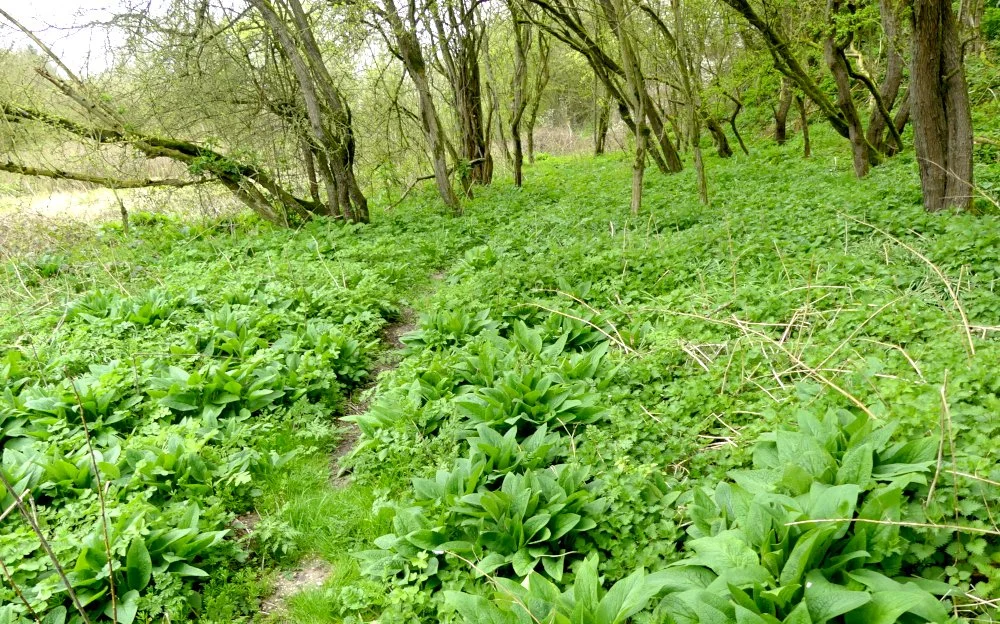
Rifle Butts NR - 1 Apr 26
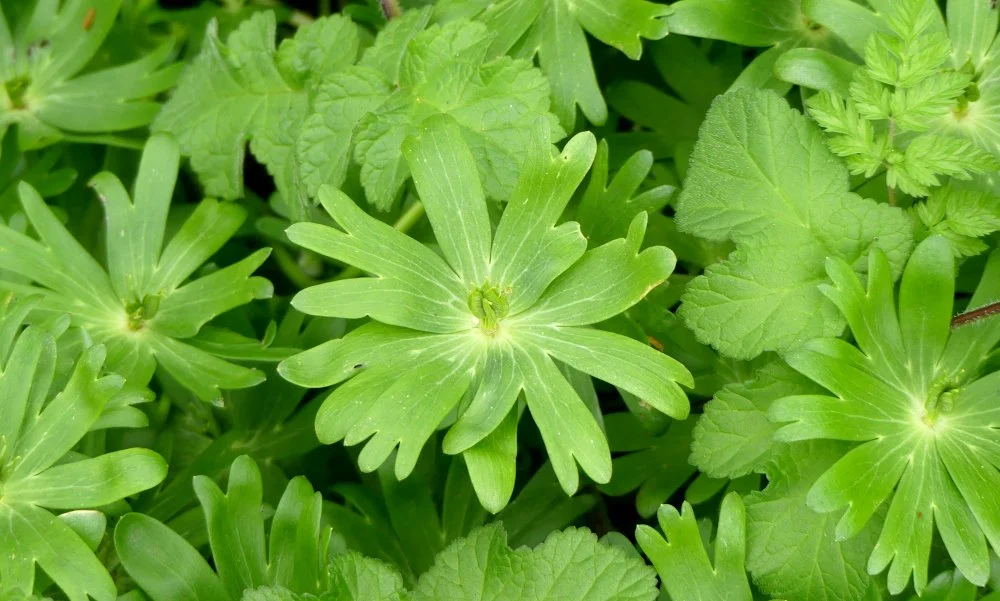
Winter Aconite - Rifle Butts, 1 Apr 26
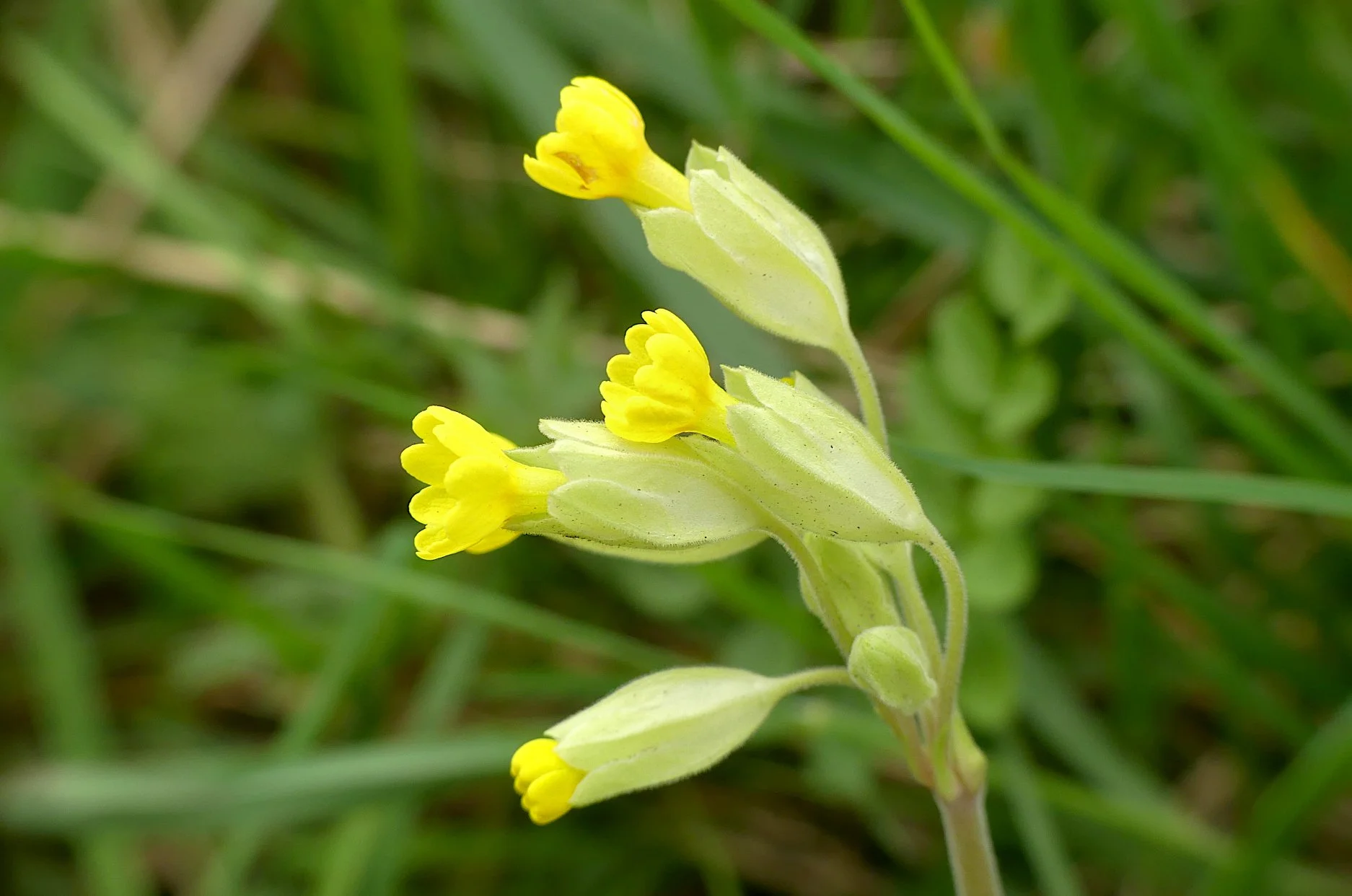
Cowslip - Rifle Butts, 1 Apr 26 - a common species but does not occur in Guernsey
I walked a few spots around Driffield along the River Hull looking for Otters or maybe even Brook Lamprey, but neither was available. Along Skerne Wetlands I bumped into a Great White Egret which I didn’t know was around, which flew up from the riverbank and drifted across the marsh, carrying on south. I saw a few Kingfishers flying up and down which seem to love these chalk streams, and a small flock of Redpoll was feeding on the riverside trees at Wansford, another species I rarely see.
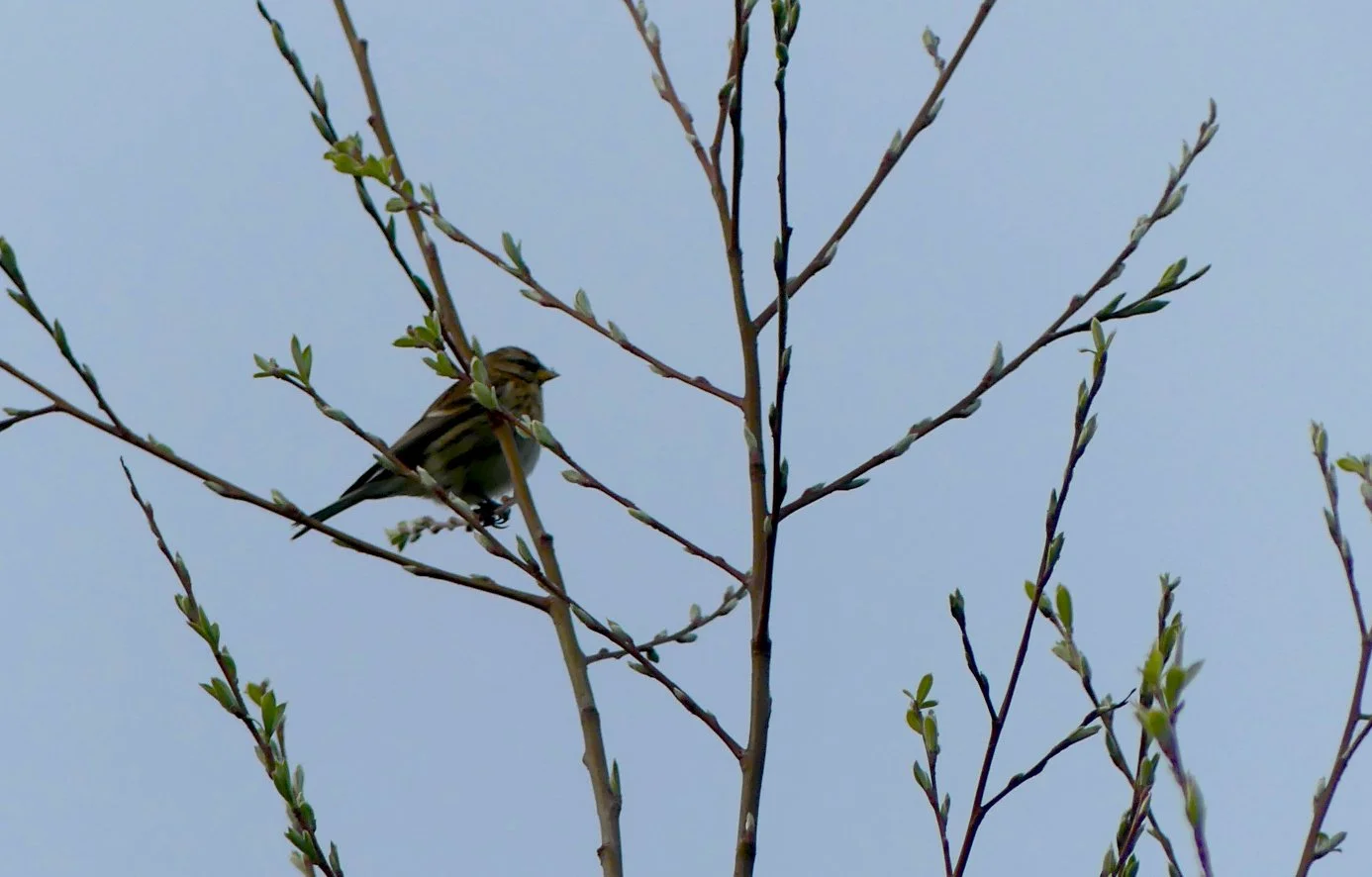
Redpoll - Wansford, 2 Apr 26